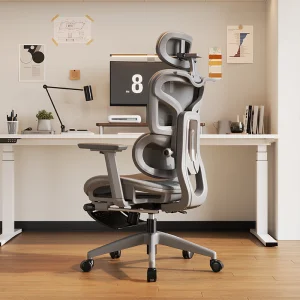
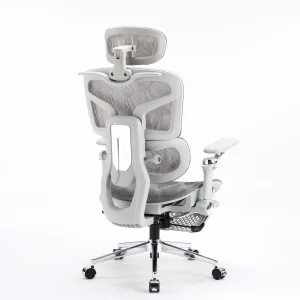
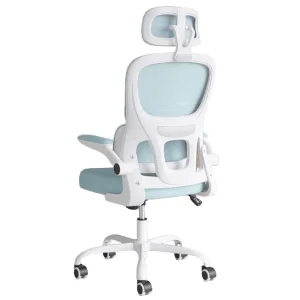
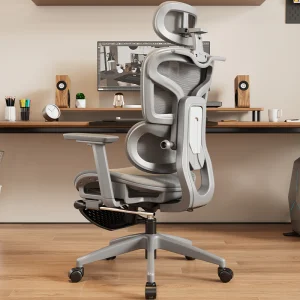
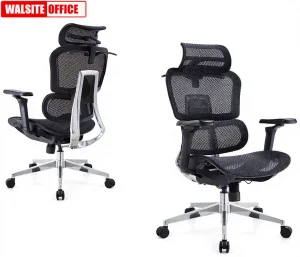
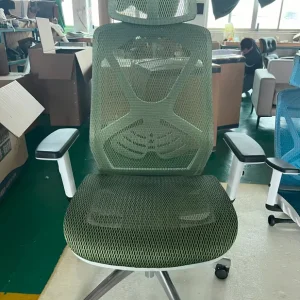
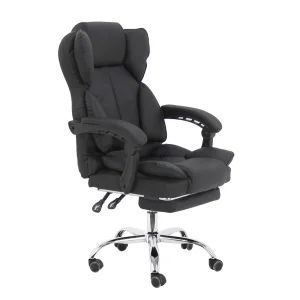
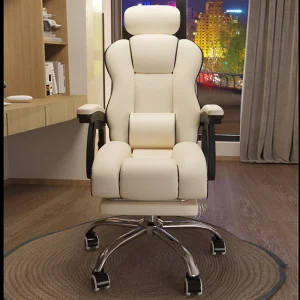
As South Africa continues to solidify its position as the economic powerhouse of Sub-Saharan Africa, the corporate landscape in Johannesburg (Sandton), Cape Town, and Durban is undergoing a fundamental transformation. Post-pandemic recovery has seen a massive shift toward "Hybrid Work Models" and "Wellness-Centric Workspaces." Companies are no longer just buying furniture; they are investing in occupational health and productivity assets.
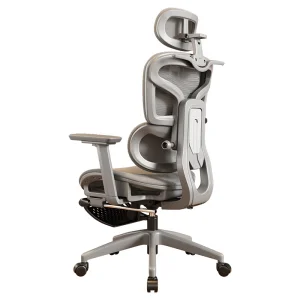
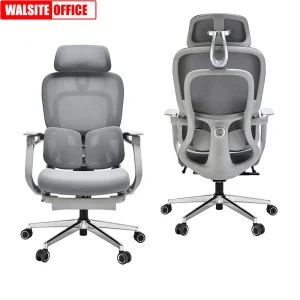
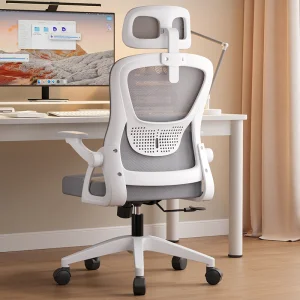
In South Africa, the Department of Employment and Labour has increasingly emphasized ergonomic regulations (Ergonomics Regulations, 2019 under OHSA). Businesses from the financial sectors in Gauteng to the creative agencies in the Western Cape are now required to mitigate ergonomic risks. High-quality ergonomic office chairs are the primary defense against musculoskeletal disorders (MSDs), which account for a significant percentage of absenteeism in the South African workforce.
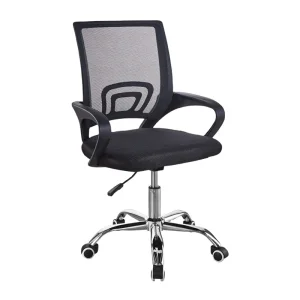
South Africa's diverse climate, from the humid summers of KwaZulu-Natal to the dry heat of the Highveld, requires breathable materials. Our mesh designs ensure optimal airflow, keeping professionals cool and focused.
We understand the importance of preferential procurement. By offering competitive wholesale pricing to local Level 1 and 2 B-BBEE distributors, we strengthen the local supply chain.
Industrial applications in SA's mining and manufacturing sectors require "Heavy Load-Bearing" chairs. Our products are tested for durability beyond standard office use.
Certified by ISO 9001 and located in Foshan City—the world's capital of furniture manufacturing—we provide the bridge between high-end Chinese manufacturing efficiency and South African corporate demands.
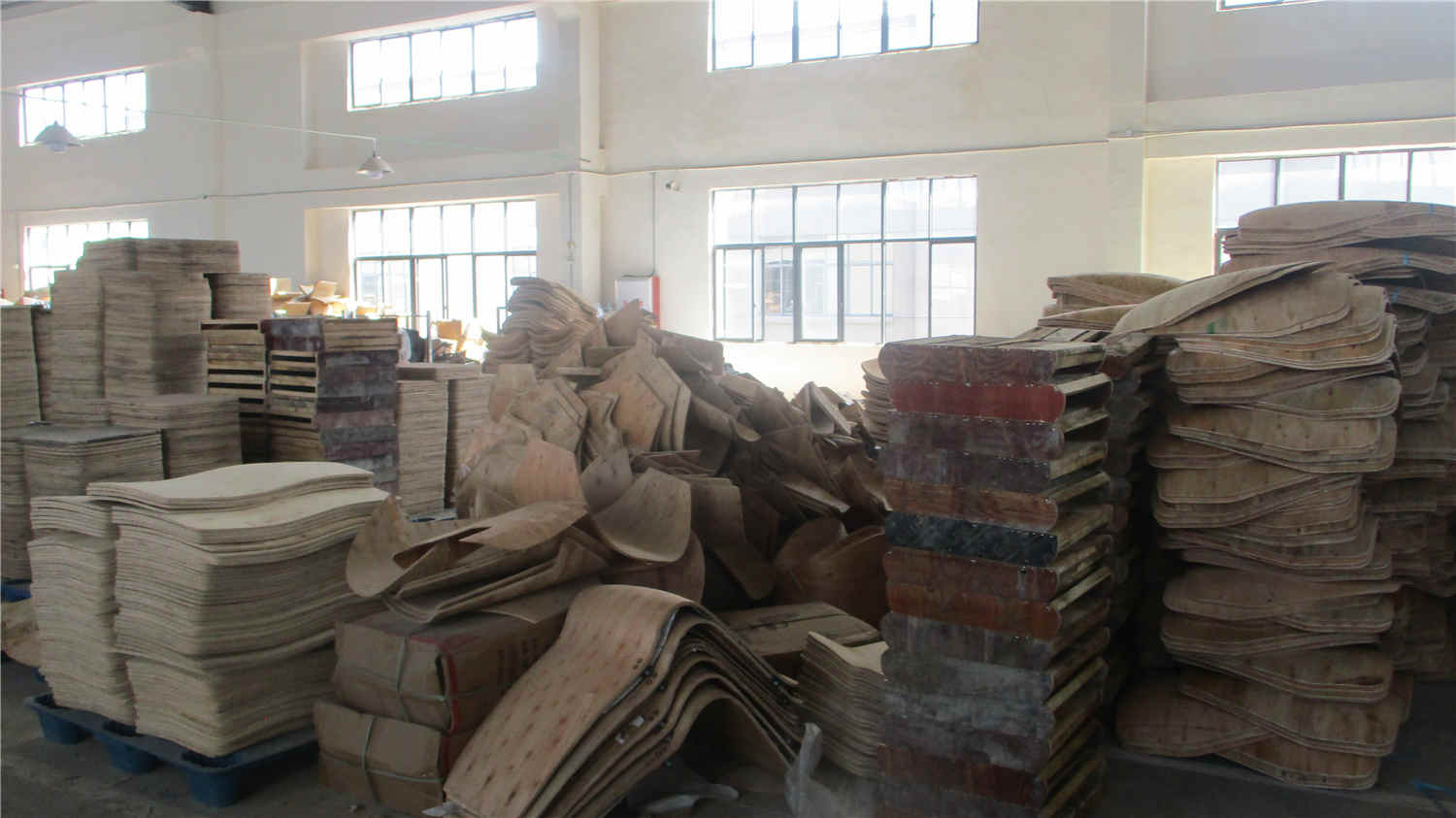
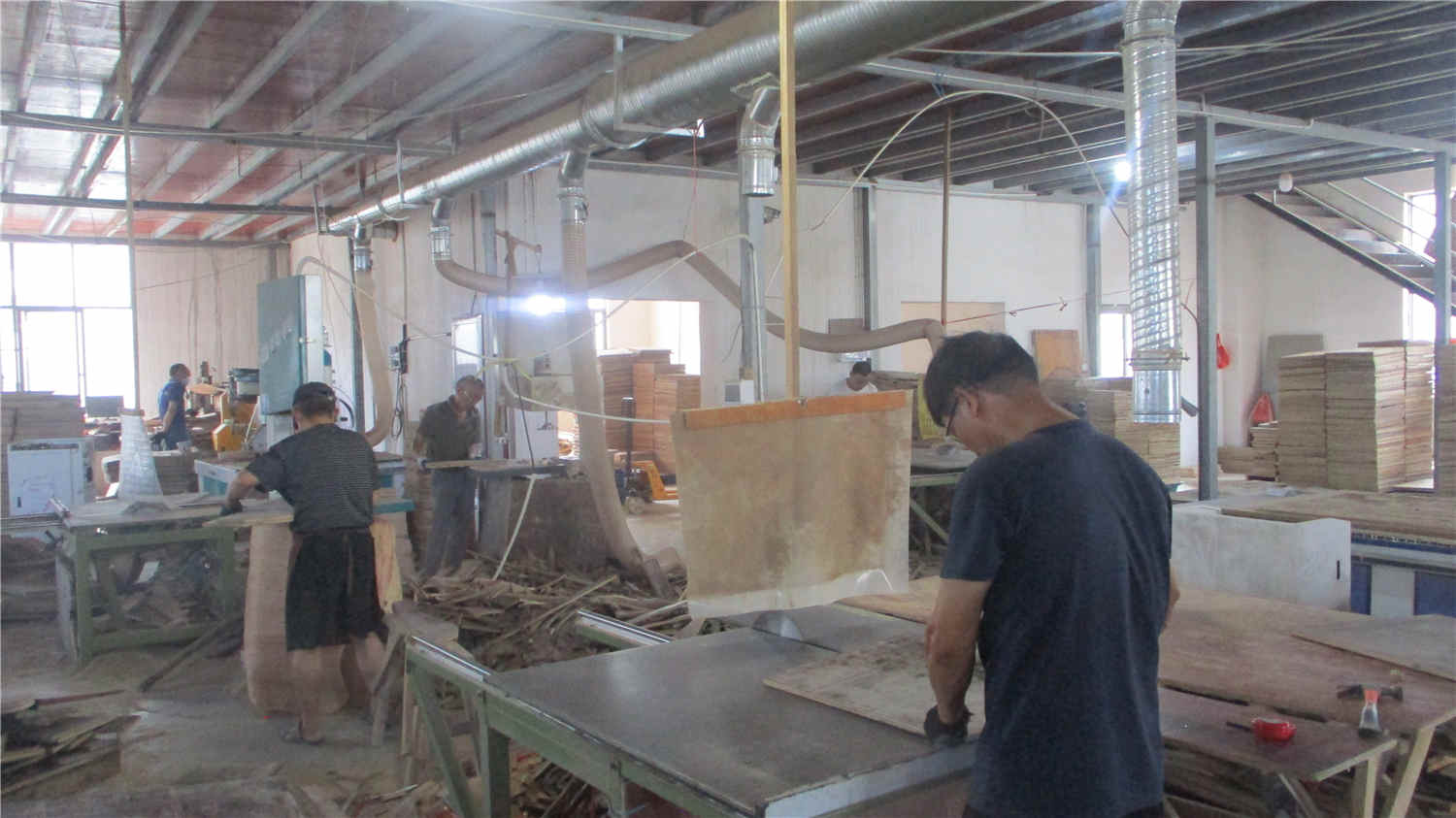
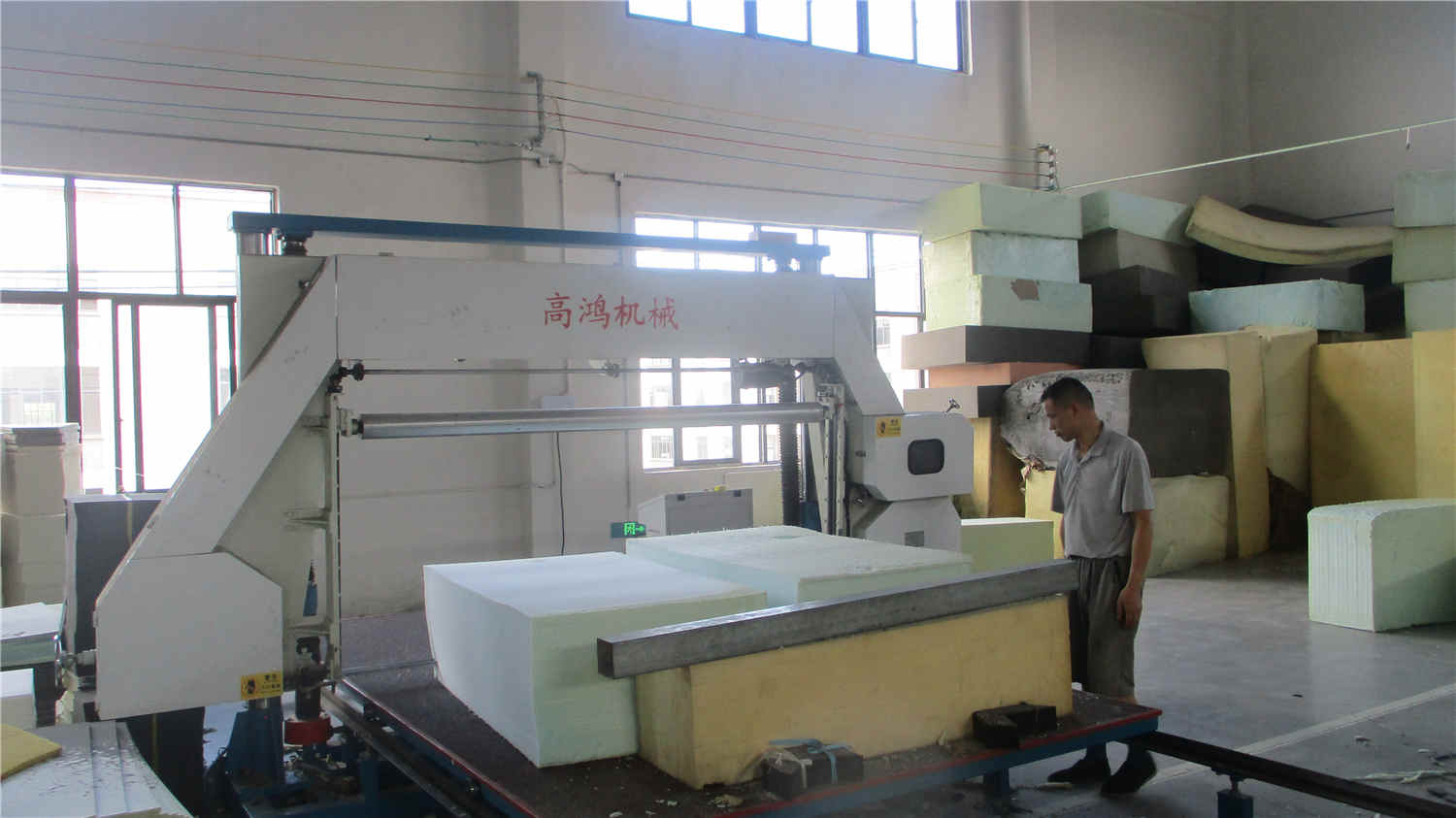
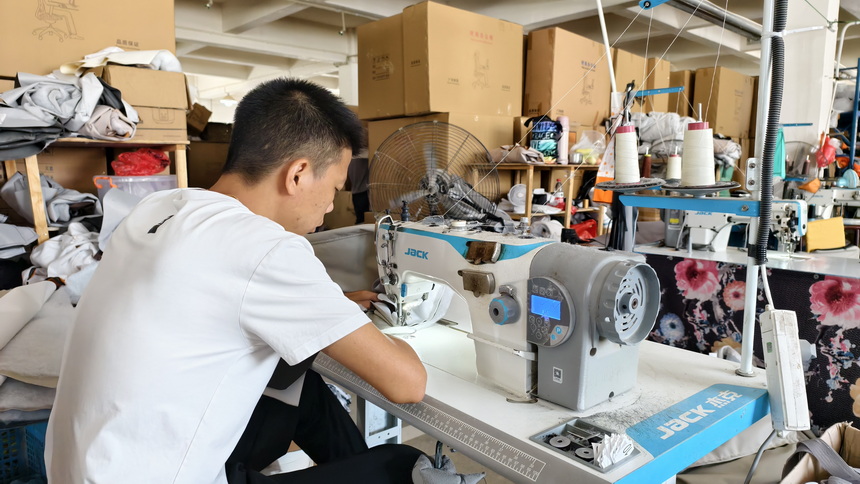
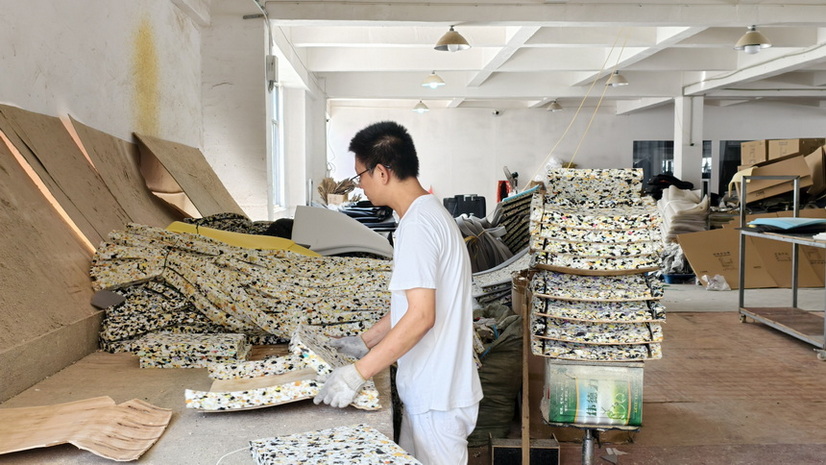
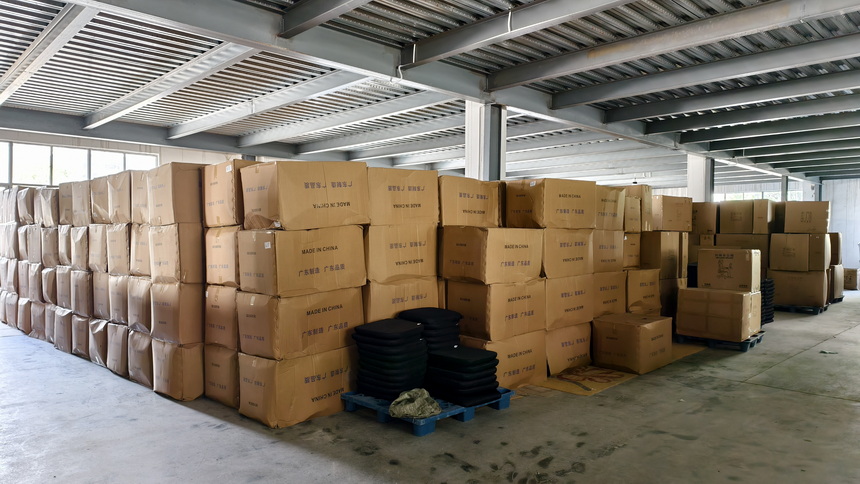
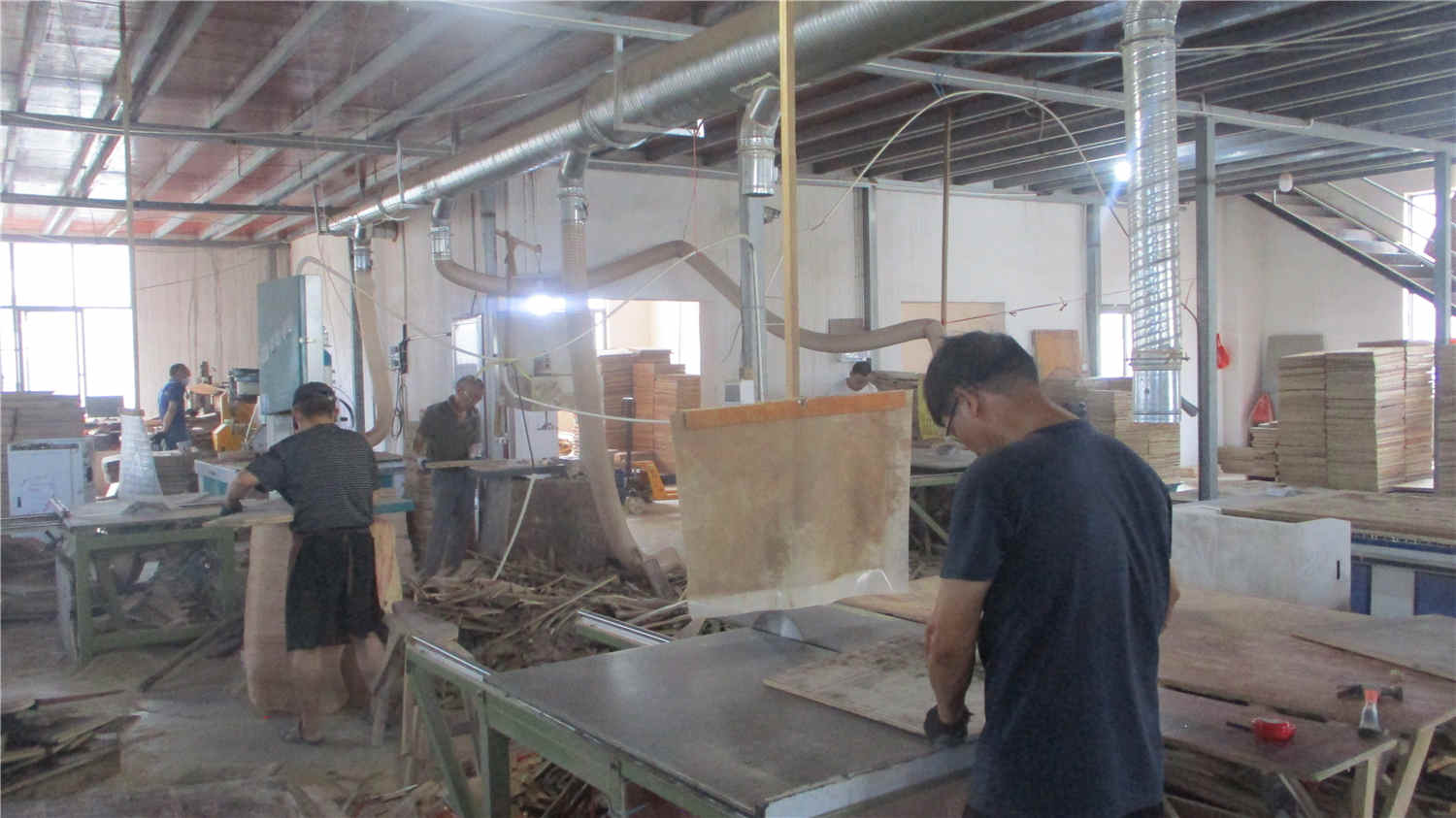
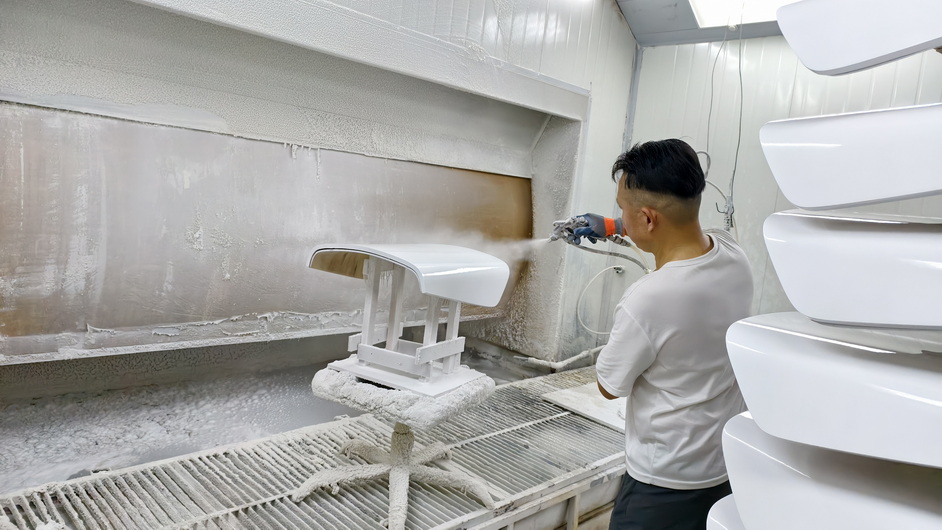
Our Foshan facility utilizes advanced "Smart Manufacturing" processes to ensure that every chair exported to the Port of Durban or Cape Town meets the highest consistency standards.
The office chair is evolving into a tech-integrated wellness device. At Valet Chair, our R&D roadmap focuses on three pillars that directly benefit the South African commercial sector:
1. Bio-Feedback Integration: We are developing sensor-embedded chairs that alert users via mobile app when their posture deviates from ergonomic safety, ideal for high-stress call centers in Cape Town.
2. Circular Economy Materials: By 2026, we aim for 40% of our chair components to be sourced from recycled ocean plastics, aligning with South Africa's growing green building certifications (GBCSA).
3. Adaptive Lumbar 3.0: Moving beyond manual adjustments to dynamic pressure-sensing lumbar supports that adjust automatically based on user weight and spine curvature.
 Valet Chair