Explore our leading product portfolio engineered for premium ergonomic support, industrial static protection, and interactive biometric customization.
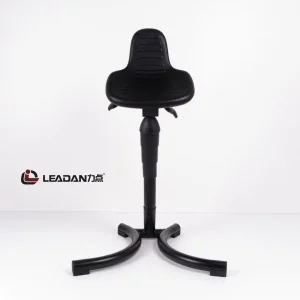
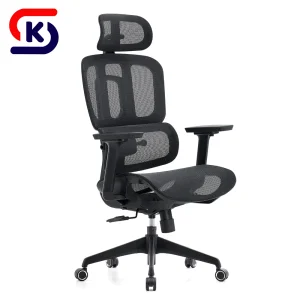
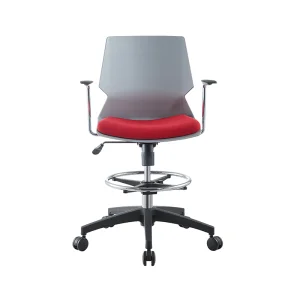
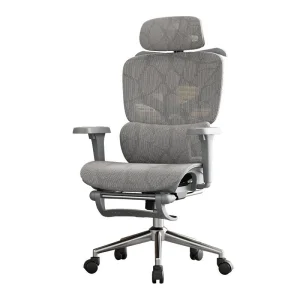

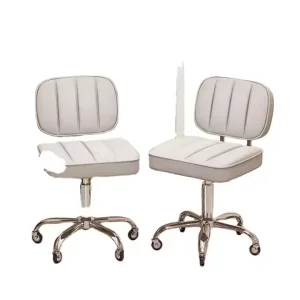
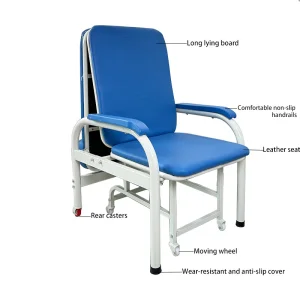
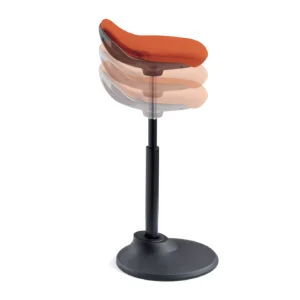
Strategic Imperative: The modern workspace is undergoing a structural transition from static, passive furniture to dynamic, connected, and data-driven infrastructures. IoT Connected Smart Chairs represent the convergence of physical biomechanics, edge sensor technology, and enterprise SaaS cloud architectures designed to optimize worker health, maximize floorplate efficiency, and mitigate occupational injuries.
Historically, commercial workspace procurement prioritized mechanical adjustability (pneumatic cylinders, synchro-tilt mechanisms, and adjustable lumbar units). While these mechanical adjustments are critical for ergonomics, they rely entirely on manual human action, which is frequently neglected or done incorrectly. Clinical research demonstrates that despite having fully customizable chairs, over 75% of sedentary office workers experience chronic Musculoskeletal Disorders (MSDs) due to poor sitting habits and static posture duration.
IoT Connected Smart Chairs solve this fundamental gap by introducing continuous feedback loops. By embedding high-precision sensor arrays (piezoelectric pressure foils, capacitive sensors, and Inertial Measurement Units) directly within the seat pan and lumbar assembly, smart chairs autonomously measure posture alignment, weight distribution, and heart rate variability. These data pipelines feed directly into local edge processors or secure cloud portals, delivering real-time haptic prompts to the user while generating macro-level workplace analytics for enterprise managers.
Large enterprises, multinational institutions, and government departments are increasingly auditing their ergonomic furniture footprints. The primary procurement objectives have evolved past initial unit acquisition costs to encompass long-term corporate health insurance liabilities, ESG carbon metrics, and spatial optimization. Smart seating acts as a core data-gathering node inside the broader smart office ecosystem.
When purchasing departments specify smart seating systems, they focus heavily on cross-platform integration. Facilities managers look for systems that interface seamlessly with building automated management systems (BMS) via open API frameworks. This allows occupancy data to communicate directly with HVAC systems—lowering power consumption in zones with low real-time occupancy. Furthermore, HR teams utilize anonymized postural reports to implement data-driven ergonomic interventions, dramatically reducing absenteeism caused by lumbar strain.
Established in 2010 and situated in Foshan City—China’s global hub for advanced furniture manufacturing—Foshan Valet Chair Co., Ltd. is a leading ISO 9001-certified OEM/ODM manufacturer specializing in high-performance office chairs, ergonomic seating components, and state-of-the-art IoT-enabled smart chairs.
With more than a decade of research, development, and scaling, Valet Chair has built a comprehensive integration ecosystem. This includes dedicated structural engineering teams, electrical control design labs, and a fully vertical domestic manufacturing pipeline. Our global distribution channels supply tier-one commercial office furniture brands, healthcare facilities, e-sports operations, and corporate office developments across Europe, North America, and the Asia-Pacific region.
Core Corporate Philosophy: At Valet Chair, our operational focus centers on four core tenets: Customer-focused solutions, Quality-driven manufacturing, Continuous innovation, and Long-term partnership growth. We combine raw mechanical durability with smart sensing technology to create highly efficient, reliable, and ergonomically superior workspaces.
Our intelligent connected chairs are engineered to support specialized applications across multiple sectors:
A deep dive into the hardware, firmware, and software frameworks driving our connected smart seating systems.
Pneumatic pressure transducers, flexible piezoresistive sheets, and high-frequency IMUs track load shift patterns and seat pan engagement up to 100 times per second.
Low-power ARM Cortex microcontrollers process raw biometrics locally. Sub-GHz, BLE 5.2, or secure Wi-Fi modules then transmit compressed datasets directly to enterprise servers.
Anonymized telemetry inputs feed into predictive AI models to evaluate joint load, spinal wear, and fatigue levels, outputting actionable insights for management.
The system's intelligence relies on localized data processing. Instead of streaming raw telemetry continuously—which can strain corporate networks and drain batteries—our smart chair architecture processes data directly at the edge. The chair's onboard micro-controller uses mathematical models to recognize common sitting positions (e.g., forward slouching, asymmetric leg crossing, extreme backward recline). If a bad sitting posture continues for more than 15 minutes, the chair sends a gentle, silent vibration alert through its lumbar module, reminding the user to sit properly without interrupting their workflow.
All products are manufactured under rigorous ISO 9001 guidelines, using automated cutting, high-precision assembly, and certified testing routines.
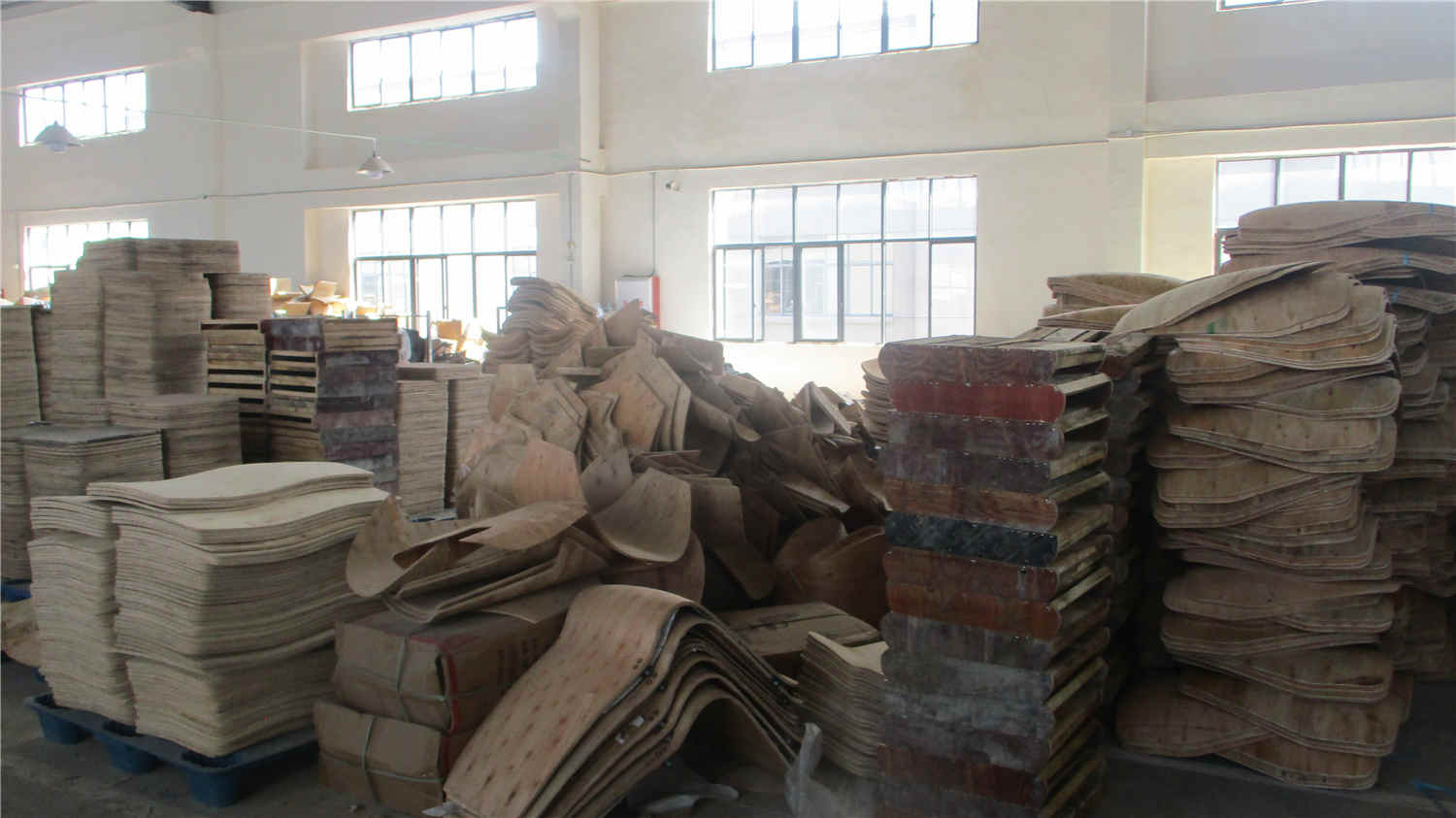
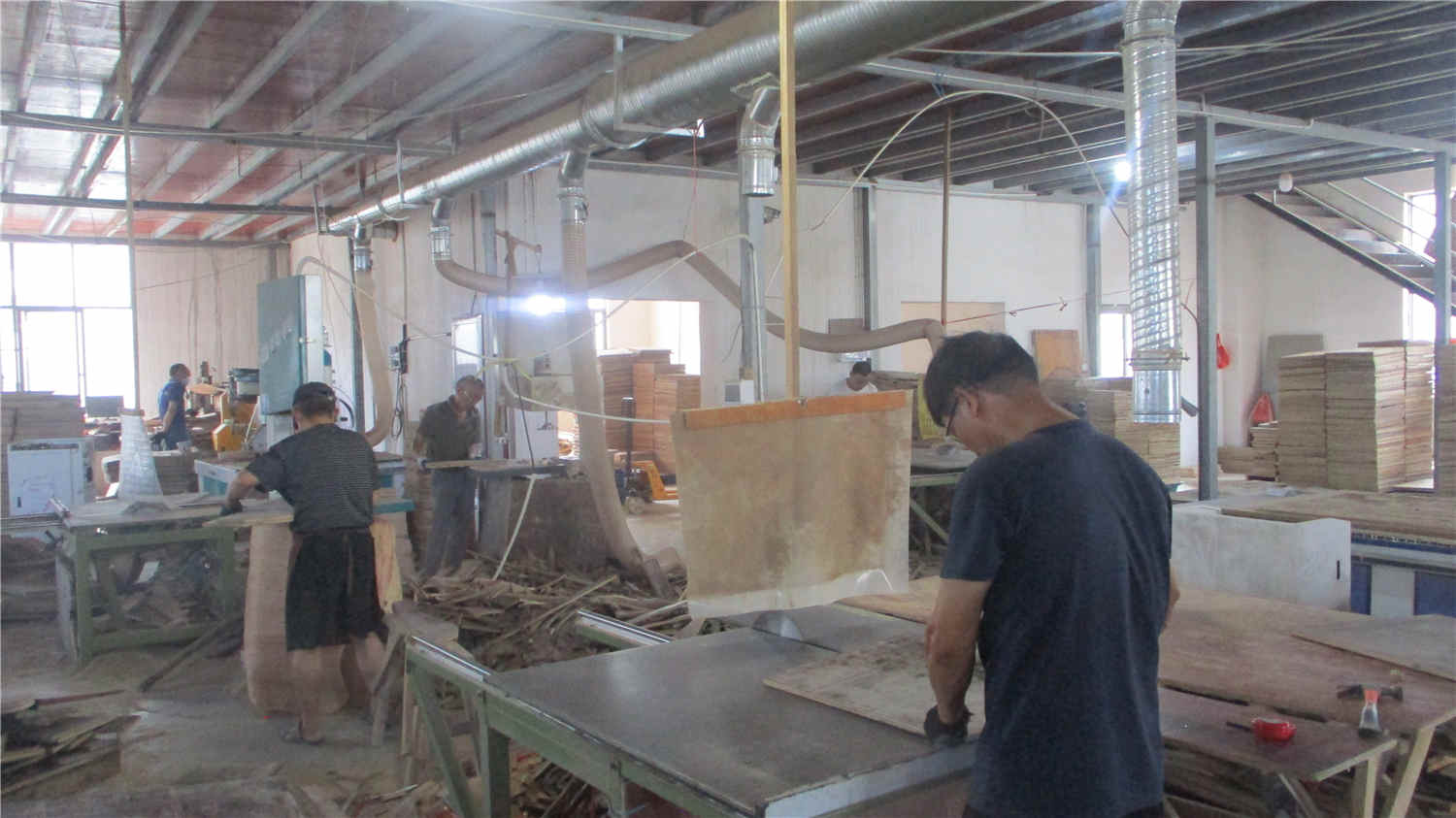
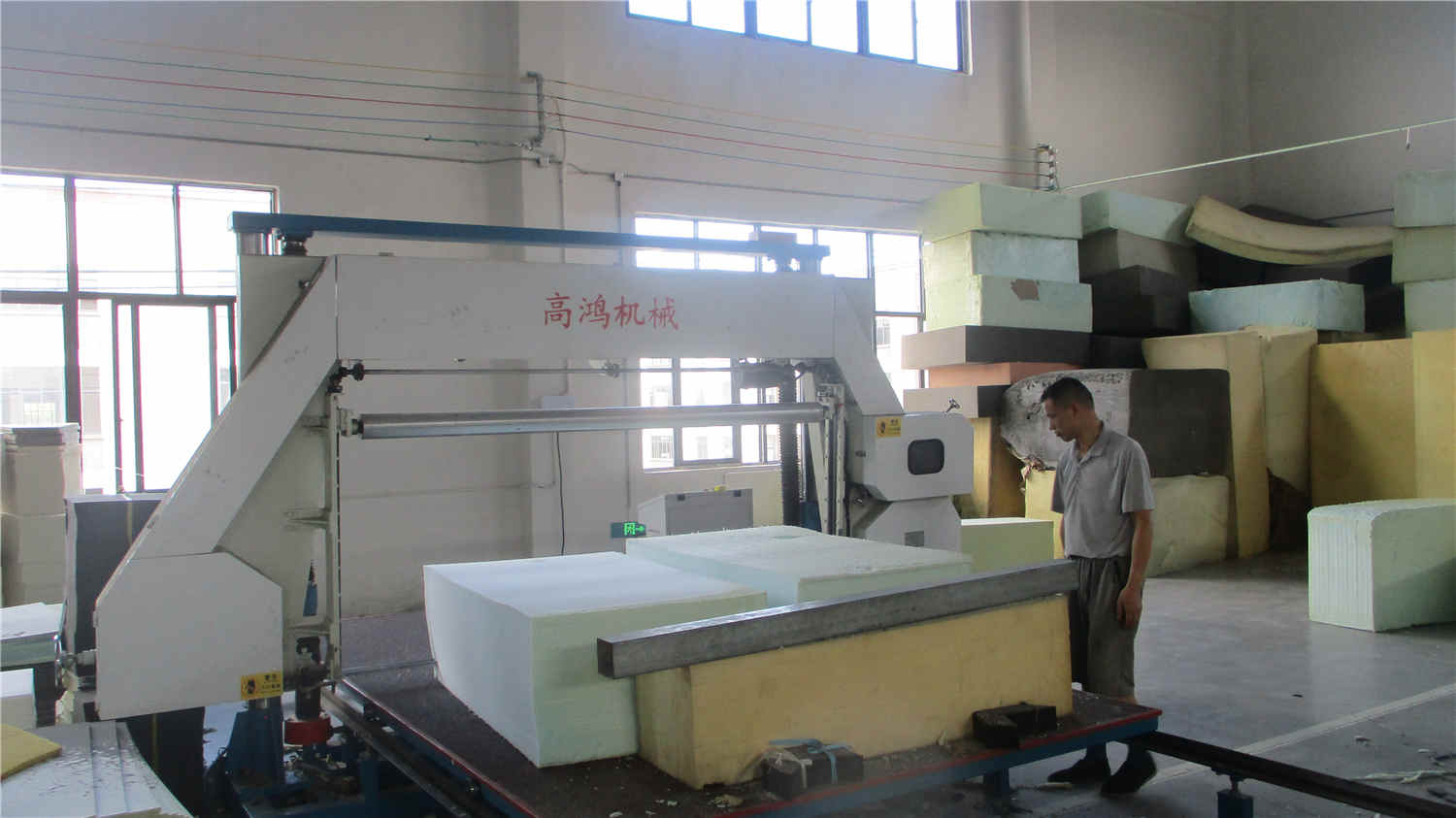
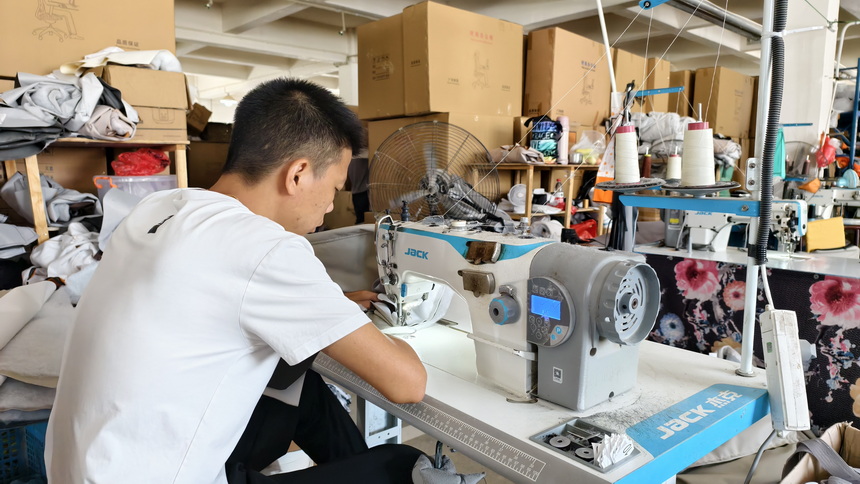
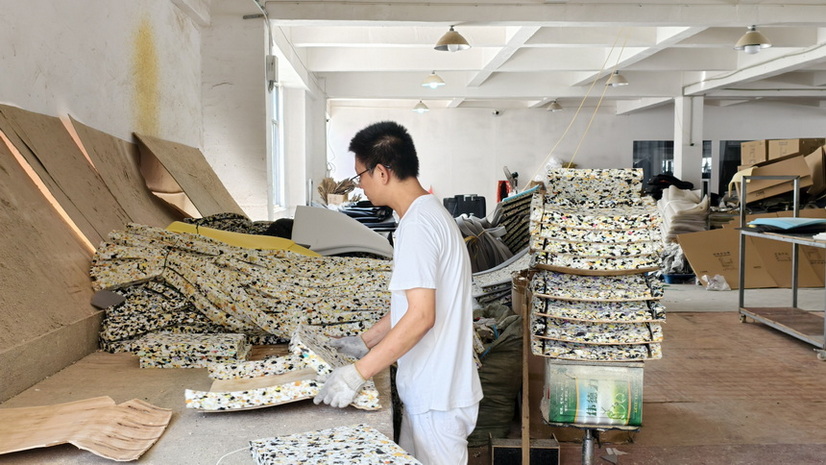
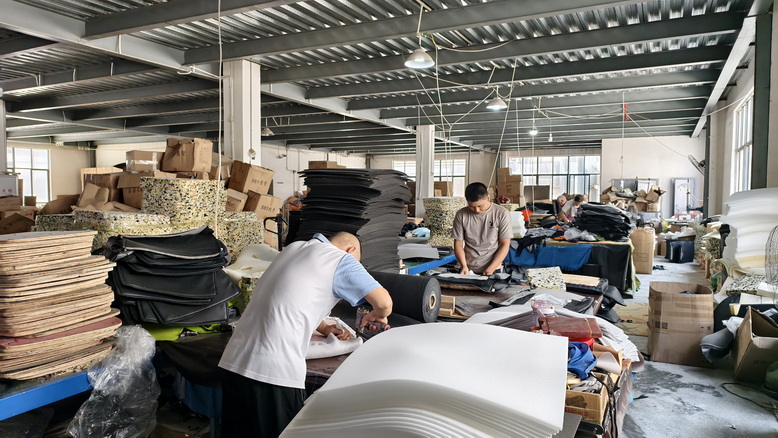
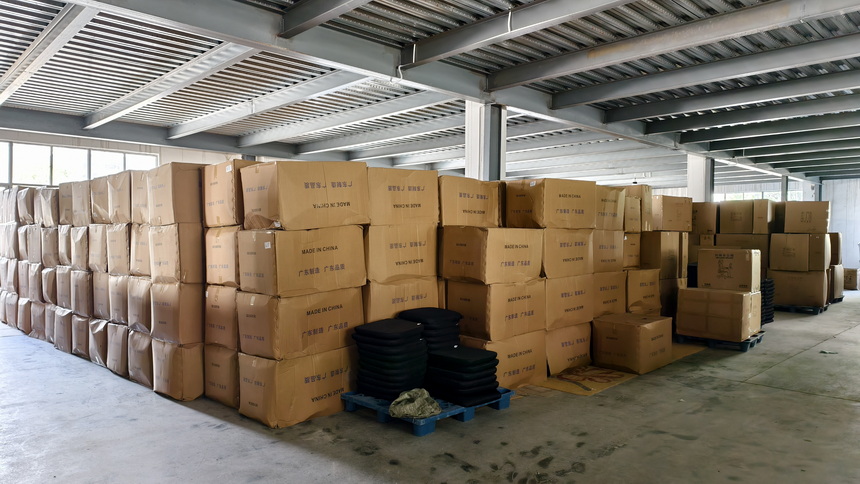
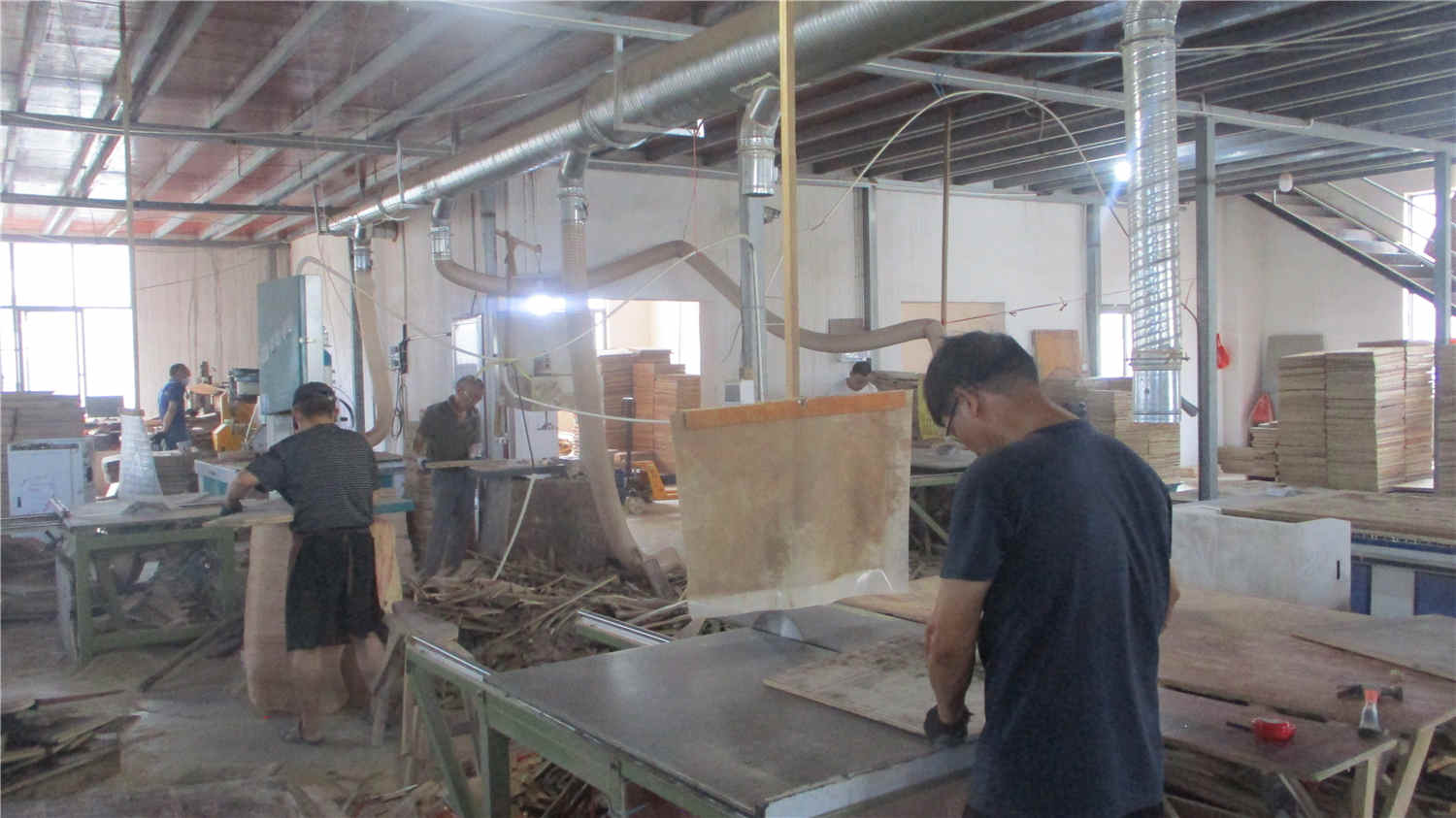
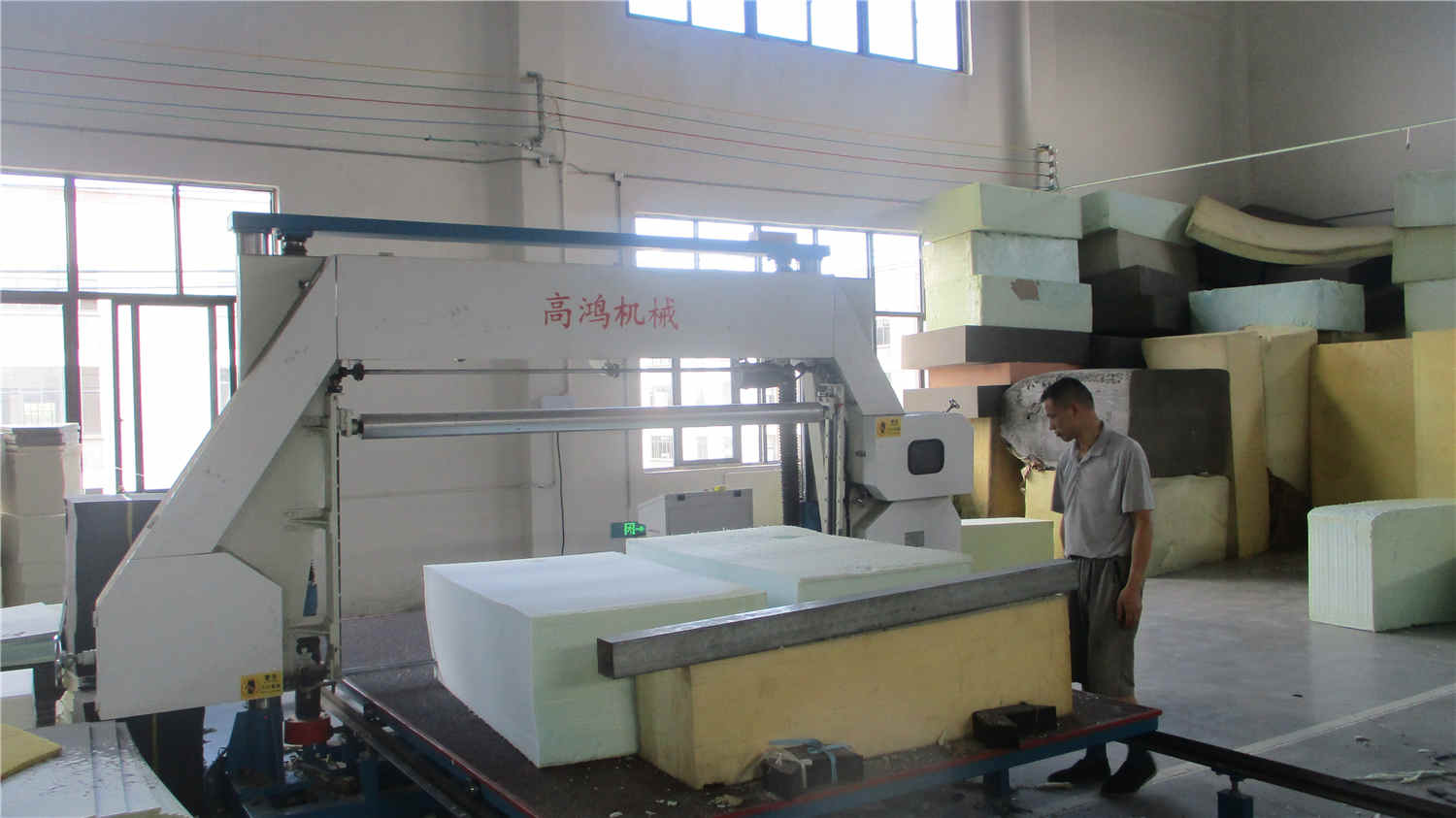
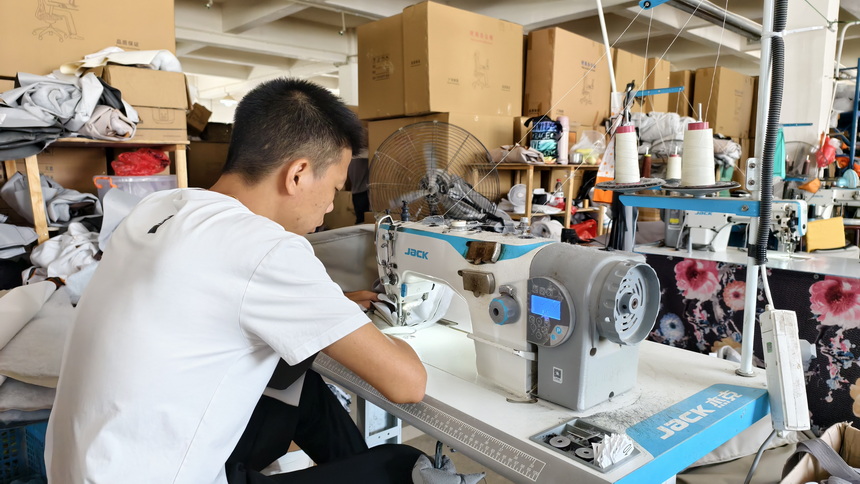
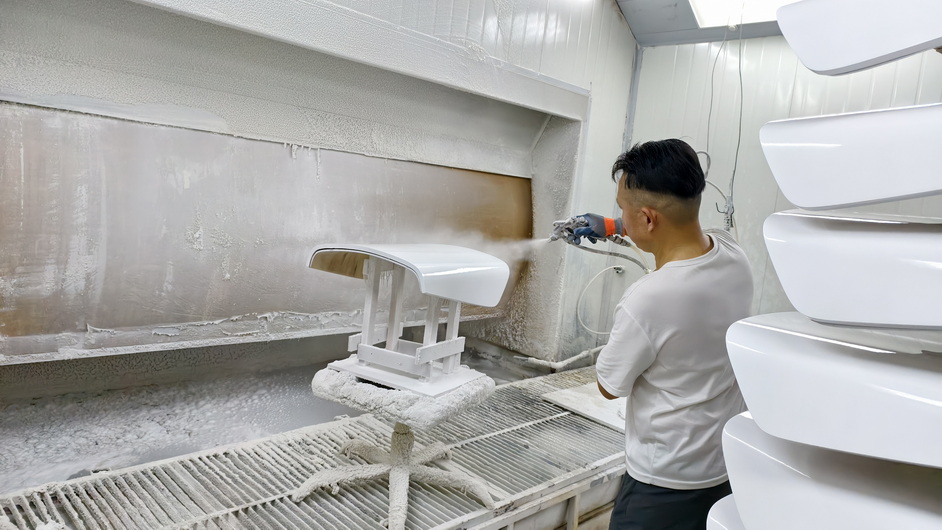
Our chairs are tested to meet and exceed international industry standards. Our internal quality assurance teams operate dedicated testing facilities that run continuous cycles to verify structural durability, material wear, and electronics reliability.
Our commitment to manufacturing quality is backed by a 3-year warranty covering all structural parts, cast bases, gas lifts, and integrated smart components.
Deploying smart office devices requires strict data security measures. Because our IoT Smart Chairs collect postural and occupancy data, we design our platforms around user privacy and security regulations.
To meet the needs of global corporate IT departments, our systems support local cloud deployment, letting organizations store all data within their own network boundaries. For multi-tenant cloud platforms, we encrypt data at rest using AES-256 standards, and transmit all telemetry over HTTPS using TLS 1.3 encryption. This prevents unauthorized access to employee activity profiles.
Furthermore, our software is fully compliant with regional data privacy laws, including the European Union's General Data Protection Regulation (GDPR) and the California Consumer Privacy Act (CCPA). Biometric data is stored in an anonymized format, and we do not capture or store any Personally Identifiable Information (PII) on our servers, ensuring your organization stays compliant and secure.
Technical answers to key questions about procurement, integration, and security for IoT-connected smart chairs.
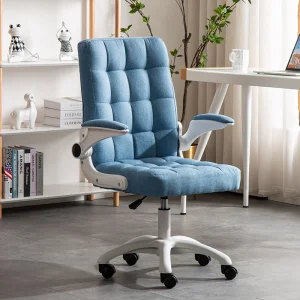
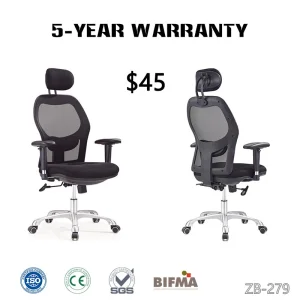
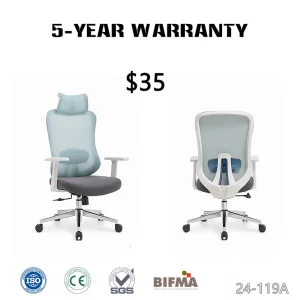
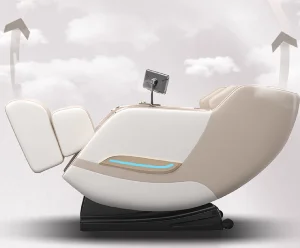
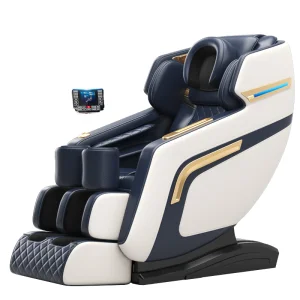
Select from our heavy-duty industrial stools, ergonomic mesh chairs, and AI-driven massage systems designed for premium performance.
 Valet Chair