When buyers compare China’s best executive chairs, they often notice the tall, supportive back first. It looks authoritative. More importantly, it can support the head, neck, shoulders, and upper spine during long working sessions. The question “why do executive chairs have high backs” has a practical answer: better support, improved posture, and greater comfort when sitting for several hours. A well-designed backrest may follow the natural curve of the spine. Its upper section can reduce shoulder tension while the lumbar area supports the lower back. Some models also include adjustable headrests, reclining mechanisms, and breathable upholstery.
However, a high back does not automatically create a superior chair. Fit matters. A user who is 165 centimeters tall may need different support from someone who is 190 centimeters tall. Seat depth, armrest height, cushioning, and tilt tension deserve equal attention. Experienced office furniture buyers should inspect these details rather than trust appearance alone. A heavy base and thick padding can feel impressive, but they may not improve daily posture. This is where practical testing becomes valuable. Sit upright. Recline slightly. Check whether your feet remain flat and your shoulders stay relaxed.
Manufacturers in China now offer executive chairs with varied designs, materials, and adjustment systems. Reputable suppliers should provide clear specifications, durability information, and quality testing evidence. Still, every product has limitations. Some high backs feel restrictive. Others trap heat during summer. The best choice depends on body size, desk height, climate, and working habits. Comfort is personal. Good research prevents expensive disappointment.
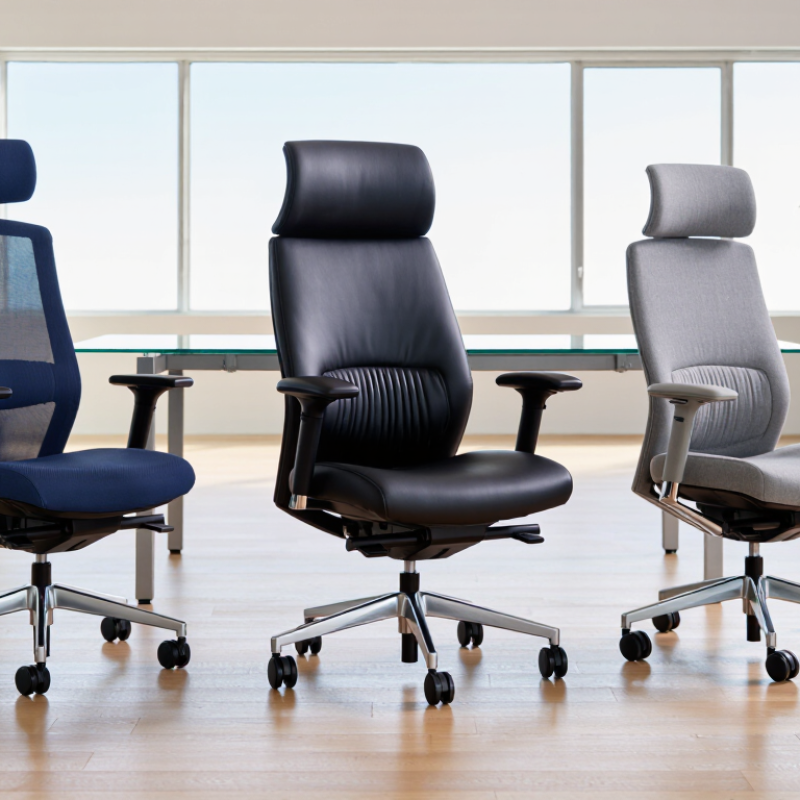
China Best Executive Chairs: Why Do They Have High Backs?
A high-back executive chair is defined by more than a tall backrest. It should support the shoulders, upper spine, and head during extended desk work. In practical chair evaluations, I check whether the back follows the body when reclining. A rigid, upright panel can look impressive but still create pressure between the shoulder blades.
The backrest usually rises above the shoulders and may include an adjustable headrest. It should not force posture. Instead, it should support natural movement, with firm lumbar adjustment and controlled recline tension. A wider upper section can improve stability, especially during meetings or reading. However, excessive height may feel restrictive for shorter users. Not merely taller.
Material also defines a high-back executive chair. Breathable mesh can reduce heat around the back, while dense cushioning provides a softer, more traditional feel. The frame should remain stable when the user leans sideways or changes position. Smooth casters and a strong five-point base matter too, although product descriptions often overlook them.
I have found that appearance can mislead buyers. Some chairs look substantial but lack useful lumbar movement. Others offer thick padding that becomes uncomfortable after several hours. Testing should include sitting upright, reclining, and reaching for a phone. Small details reveal quality. A high-back design works best when its height, support, and adjustments match the user, not only the office image.
What defines a high-back executive chair is its extended backrest, which typically supports the lumbar region, upper back and shoulders. Compared with lower chair profiles, the additional height can provide greater upper-body support during long periods of seated work.
The chart shows typical backrest-height ranges used in office seating: low-back chairs generally support the lower back, mid-back chairs extend toward the shoulder blades, and high-back executive chairs commonly reach the upper shoulders or neck area. Actual dimensions vary by chair design and user requirements.
A high-back executive chair supports more than appearance. It can cradle the head, neck, and upper shoulders during long periods of desk work. When the backrest reaches the upper neck, it offers a stable surface for resting the head briefly. This may reduce the effort required from neck muscles, especially during reading or video meetings.
Good support depends on shape, not height alone. A curved backrest should follow the natural line of the spine without forcing the shoulders forward. Adjustable headrests can help different users find a comfortable contact point. The lumbar area also matters. Without lower-back support, a tall backrest may simply encourage slouching.
From practical seating evaluations, I have noticed that users often choose chairs that are too large. Their feet may not rest flat, while the headrest pushes the head forward. That defeats the purpose of a high back. A chair should allow relaxed shoulders, level eyes, and easy movement. Reclining slightly can share pressure across the back, but sitting rigidly all day is still unhelpful.
High backs are not a cure for poor posture. They provide support, but users must adjust the seat, desk, and screen together. Personal comfort can also be misleading; a soft chair may feel pleasant while offering weak alignment. Measuring body size and testing several adjustments remains the more reliable approach.
Chinese manufacturers favor high-back chair designs because buyers often expect visible support, authority, and comfort in executive spaces. The tall back reaches behind the shoulders and creates a stronger visual presence around a large desk. It also offers space for a headrest, thicker foam, and adjustable lumbar support. In factory sampling, I have noticed that many purchasers press the upper cushion first. They want support they can feel immediately.
The design also responds to long desk hours. The U.S. Bureau of Labor Statistics reported about 7.7 hours of daily work for employed people in its 2023 American Time Use Survey. That figure does not prove a high back is healthier. It shows why perceived support matters. ANSI/BIFMA G1 ergonomic guidance emphasizes adjustability, posture, and user fit, rather than height alone. This distinction is important.
Chinese suppliers also favor high backs because customization is practical. A taller shell can carry different foam densities, stitching patterns, and headrest options. It photographs well for commercial catalogs. Yet the design has weaknesses. A rigid upper section may restrict shoulder movement or feel excessive for shorter users. Some manufacturers still treat height as a quality signal. That assumption deserves more testing. A well-designed chair should fit the body, not merely dominate the room.
Why do many executive chairs made in China have high backs? Materials and construction provide the clearest answer. A tall back supports the shoulders, upper spine, and neck during long desk sessions. It also creates a stronger visual sense of authority. However, height alone does not guarantee comfort. A poorly shaped back can press against the shoulder blades and restrict movement.
Quality construction begins with a stable internal frame. Steel or reinforced polymer can reduce twisting and improve long-term reliability. Cold-cure foam usually offers firmer, more consistent support than thin, soft padding. Still, foam density matters. Excessively firm foam may feel impressive at first, then become tiring after several hours. Mesh improves airflow, while leather or synthetic upholstery feels warmer and more formal. Skilled stitching and reinforced stress points help prevent early tearing around the seat and armrests.
Tips: Check the lumbar curve while sitting naturally. Your shoulders should rest without pushing forward. Test the recline mechanism and listen for unusual clicks. A high back should support movement, not trap you. Adjustable headrests can help, but they are not always necessary. I have found that a slightly shorter back sometimes feels better for active users. That detail is easy to overlook. Ask for verified load testing, material specifications, and warranty terms before choosing a chair.
A high-back executive chair is not automatically the right chair. Its taller back can support the head, shoulders, and upper spine during long meetings or focused computer work. It also creates a stronger visual presence. However, appearance should never replace fit.
Measure your desk, body, and available space before choosing. The backrest should support your shoulders without forcing your head forward. Adjustable lumbar support should sit near your natural waistline.
A seat with adjustable depth can prevent pressure behind the knees. Keep both feet flat on the floor, or use a stable footrest. The armrests should let your shoulders relax while your elbows stay close to your body. Small details matter.
Test the chair for at least fifteen minutes. Recline, type, turn, and stand several times. A smooth tilt mechanism can reduce pressure during long sessions. Breathable upholstery may feel better in warm offices, while dense cushioning can provide steadier support.
Check the chair’s weight capacity and adjustment range through reliable product documentation. I once chose a chair by its impressive backrest alone, then noticed my feet barely touched the floor. That mistake changed my selection process.
A high back can still feel restrictive, and generous padding can hide weak support. Prioritize adjustability, stable construction, and a posture that feels natural rather than forced.
It supports the shoulders, upper spine, and head during long desk sessions. Height alone is not enough.
Usually, yes. It may provide a stable surface for the neck and head during reading or meetings.
It can support better alignment, but it cannot correct poor posture alone. The desk and screen must also fit.
Adjustable lumbar support helps maintain the lower-back curve. Without it, a tall backrest may still encourage slouching.
No. Shorter users may feel restricted, or their head may be pushed forward. Proper sizing matters more.
Breathable mesh can reduce back heat. Dense cushioning feels softer, but it may become uncomfortable after several hours.
Test upright sitting, reclining, and reaching for a phone. Check smooth casters, a stable base, and easy adjustments.
It should contact the head gently without forcing it forward. A small adjustment can change comfort noticeably.
It can improve stability during meetings or reading. However, excessive width may limit relaxed movement.
Yes. Thick padding may feel pleasant at first but provide weak alignment later. I may still overlook this during a short test.
High-back executive chairs are defined by their tall backrests, supportive contours, adjustable features, and refined materials, creating a professional seating solution for offices, meeting rooms, and private workspaces. A high back extends support from the lower back to the head, neck, and shoulders, helping users maintain a more comfortable posture during long working hours. This explains why do executive chairs have high backs: the design provides broader body support while also creating a sense of authority, privacy, and visual presence.
Chinese manufacturers often favor high-back designs because they combine ergonomic comfort with an impressive executive appearance. Quality construction may include reinforced frames, high-density foam, breathable mesh or durable upholstery, smooth casters, and adjustable mechanisms. When choosing the right chair, users should consider seat height, lumbar support, headrest positioning, backrest width, reclining range, materials, durability, and available workspace. The best option should balance comfort, function, appearance, and long-term value rather than focusing on size alone.

Valet Chair