In the healthcare industry, maintaining a hygienic environment is crucial, especially when it comes to furniture like vinyl chairs. Dr. Emily Parker, a leading expert in infection control, emphasizes, "Proper sanitization of seating areas can greatly reduce the risk of cross-contamination." Understanding how to sanitize healthcare vinyl chairs effectively is essential for preventing the spread of infections.
Vinyl chairs are common in clinics and hospitals due to their durability. However, these surfaces can harbor bacteria and viruses if not cleaned correctly. It is vital to follow best practices to ensure they remain safe for patient use. Consistent cleaning methods can vary, but common approaches include using disinfectants and sanitizers tailored for healthcare settings.
Many facilities overlook the importance of proper sanitization techniques. A simple wipe-down is often not enough. Observing the right procedures, including dwell time for disinfectants, is essential. Sanitizing healthcare vinyl chairs involves more than just a quick clean; attention to detail is necessary. This commitment to cleanliness can make a significant difference in patient safety and overall health outcomes.
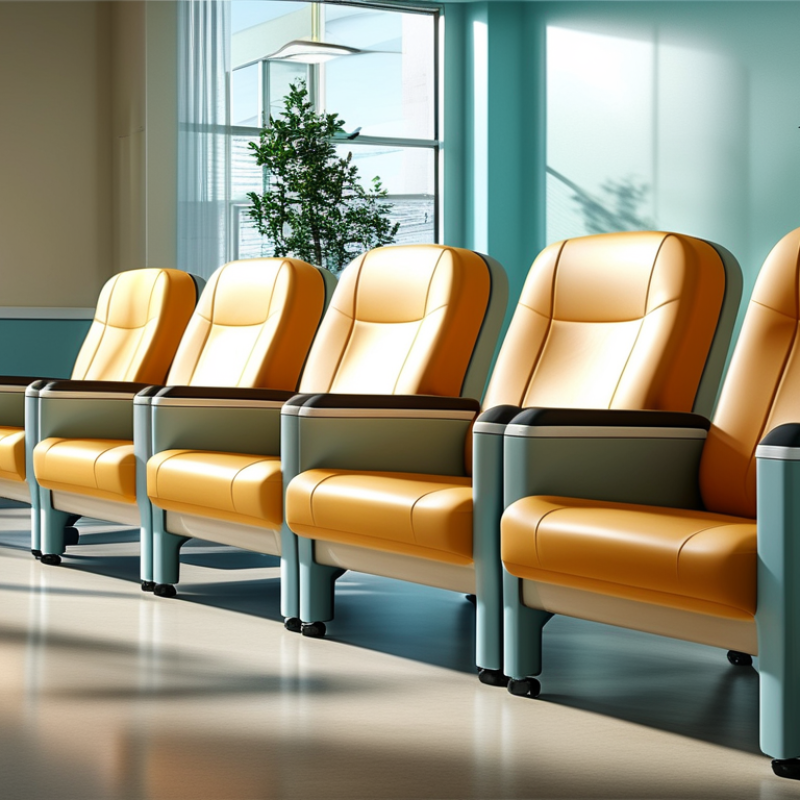
Sanitizing healthcare vinyl chairs is crucial for infection control in medical facilities. Research indicates that healthcare-associated infections (HAIs) affect millions each year, adding to patient morbidity and healthcare costs. Vinyl chairs, common in clinics, are prone to contamination. Regular sanitation helps mitigate these risks.
One effective tip is to use EPA-registered disinfectants. These products are proven to eliminate pathogens effectively. Ensure the disinfectant remains wet on the surface for the recommended contact time. Another important step is to clean fabric surfaces, if applicable, as they can harbor germs. Even subtle stains can hide bacteria, so regularly check for signs of wear.
According to a study by the CDC, proper sanitization can reduce infection rates by up to 30%. Delegate specific cleaning tasks to trained personnel. Regular training reinforces protocols and keeps staff informed about emerging pathogens. It's essential to reflect on your methods and adapt based on evolving evidence in healthcare sanitation practices.
: Sanitizing vinyl chairs helps control infections, reducing healthcare-associated infections and improving patient safety.
Use EPA-registered disinfectants. They effectively eliminate pathogens when applied correctly.
Chairs should be sanitized regularly, especially in busy healthcare settings.
Not checking for subtle stains can allow bacteria to thrive on the surface.
Choose products specifically designed for vinyl. Ensure they won’t damage the material.
Using a microfiber cloth helps apply disinfectant evenly and reach hidden areas.
Regular inspections are essential. Minor damage should be addressed quickly to prevent further issues.
Gentle cleansers and soft brushes are effective for keeping surfaces clean and intact.
Yes, they can fade or stiffen over time. Replacement is necessary when damage is significant.
Reflect on cleaning routines and their impact on overall patient care and chair longevity.
Sanitizing healthcare vinyl chairs is crucial for maintaining a safe and hygienic environment in medical facilities. Understanding the importance of regular sanitization helps prevent the spread of infections. To effectively sanitize healthcare vinyl chairs, it is essential to choose the right cleaning products that are compatible with vinyl materials. Following a step-by-step procedure ensures thorough sanitization, while best practices for masking and protecting surrounding areas can help avoid contamination.
In addition to the sanitization process, regular maintenance tips are vital for extending the longevity of vinyl chairs. By understanding how to sanitize healthcare vinyl chairs properly and performing routine cleaning, healthcare providers can ensure their furniture remains both safe and durable for patients and staff alike.

 Valet Chair