Choosing the right office chair can significantly impact comfort and productivity. In a debate about office seating, many contemplate "why choose a mesh chair over a leather chair." According to Dr. Sarah Thompson, an ergonomics expert with over 15 years of experience, "Mesh chairs provide breathability and support that leather cannot match." This highlights a crucial benefit of mesh chairs.
Mesh chairs are designed to keep users cool and comfortable throughout the day. The breathable fabric allows air circulation, reducing sweat and enhancing overall comfort. In contrast, leather can become sticky and hot after hours of sitting. This difference can affect concentration and efficiency.
Moreover, the ergonomic features of mesh chairs offer better lumbar support. This supports healthy posture and reduces fatigue over time. Many users have reported feeling more energized and focused when seated in a well-designed mesh chair. It's essential to consider these factors when evaluating options. For those seeking long-term comfort, the choice becomes clear. Mesh chairs often outperform leather in crucial ways, but it’s important to assess personal preferences as well.
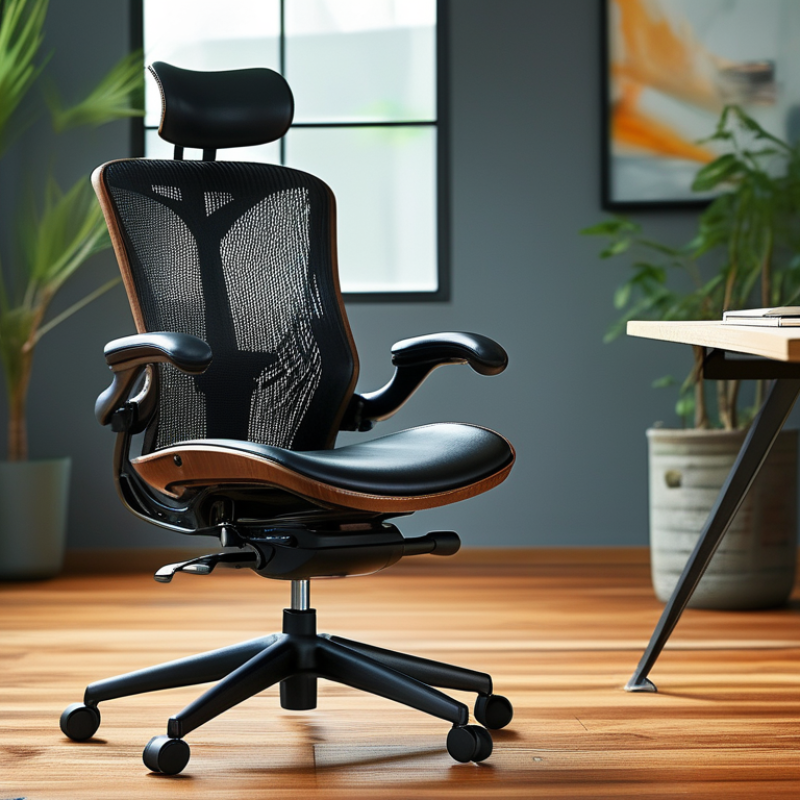
When it comes to office furniture, comfort is crucial. Mesh chairs offer a unique advantage in breathability compared to leather chairs. The open weave design of mesh allows air to circulate, keeping you cool during long work hours. This feature is especially beneficial in warm climates or for those who tend to sweat easily. You can feel the difference as the fabric molds to your body, providing both support and ventilation.
In contrast, leather chairs can trap heat. This can become uncomfortable, leading to distractions. While leather has a luxurious look, it lacks the airflow of mesh. Sitting for extended periods can make the experience less enjoyable. Some may find that they need to stand up frequently just to get relief from heat buildup.
The choice between mesh and leather ultimately depends on your needs. Many people appreciate the lightweight feel and dynamic support of mesh chairs. However, finding the right fit can take some time. Experiment with different options to see what works best for you. Remember that your comfort can direct your productivity.
| Advantage | Mesh Chairs | Leather Chairs |
|---|---|---|
| Breathability | High airflow keeps you cool | Limited airflow can lead to discomfort |
| Weight | Generally lighter and easier to move | Heavier and bulkier |
| Maintenance | Easy to clean and less upkeep | Requires regular conditioning and care |
| Cost | Often more affordable | Typically more expensive |
| Environmental Impact | Sustainable and recyclable materials | Environmental concerns related to leather production |
| Adaptability | Often offers better ergonomic adjustments | Limited adjustability |
| Variety | Wide range of colors and styles available | Fewer design options |
| Allergies | Hypoallergenic materials | May trigger allergies due to leather treatment chemicals |
| Temperature Control | Stays cooler in summer months | Can feel hot in warm conditions |
| Durability | Long-lasting and resistant to wear | Can crack and wear over time |
: Mesh chairs are easier to clean. A simple wipe down keeps them fresh. They resist spills effectively.
Leather chairs require regular conditioning. They are prone to stains. Cleaning can be time-consuming and costly.
Mesh chairs promote better posture. They offer adjustable lumbar support. This helps align the spine and reduce back strain.
Yes, the breathable material prevents heat buildup. This keeps users cool and comfortable, boosting productivity.
Mesh chairs are lightweight and easy to move. Leather chairs can be heavy and cumbersome, hindering flexibility.
Many users appreciate mesh comfort. However, some may miss the plush feel of leather. Personal preference varies widely.
Yes, their lightweight construction allows for easy repositioning. This is beneficial when tasks and locations frequently change.
It's essential to assess comfort needs. Trying different options may be necessary to find the best fit.
Yes, the transition may take time. Adjusting to mesh from leather can feel different but may improve health in the long run.
When considering office seating, many wonder why choose a mesh chair over a leather chair. Mesh chairs offer significant advantages, starting with their superior breathability, which helps maintain comfort throughout the day by allowing air circulation. Unlike leather, which can trap heat and moisture, mesh provides a cooler sitting experience, especially in warmer environments.
Maintenance is another area where mesh chairs excel. They typically require less upkeep and are easier to clean than leather upholstery, which often demands special care to avoid damage. Ergonomically, mesh chairs are designed to support better posture, promoting a healthier sitting experience. Their lightweight construction also enhances mobility, making it easier to reposition them as needed. Lastly, mesh chairs tend to be more cost-effective than their leather counterparts, providing excellent value without compromising on quality or comfort. Overall, these factors make mesh chairs a strong choice for both home and office use.

 Valet Chair