The increasing prevalence of sedentary lifestyles has drawn attention to health risks associated with poor posture. A recent study by the American Chiropractic Association found that nearly 80% of Americans experience back pain at some point in their lives. These statistics highlight the urgent need for solutions that promote better spinal alignment and overall well-being. One innovative approach is the use of posture-correcting chairs.
According to Dr. Sarah Bennett, an expert in ergonomic design, "Posture-correcting chairs support the natural curve of the spine." This support can help reduce strain on muscles and ligaments. But how do posture correcting chairs actually work? These specially designed chairs encourage users to sit up straight, fostering healthy habits over time.
Research indicates that using such chairs can lead to a significant decrease in discomfort and an increase in productivity. However, not all chairs are created equal. Users must consider the fit and adjustability of their chairs. Reflecting on individual needs is essential for maximizing the benefits of these aids. Ultimately, posture-correcting chairs present a promising avenue for improving health amid modern challenges.
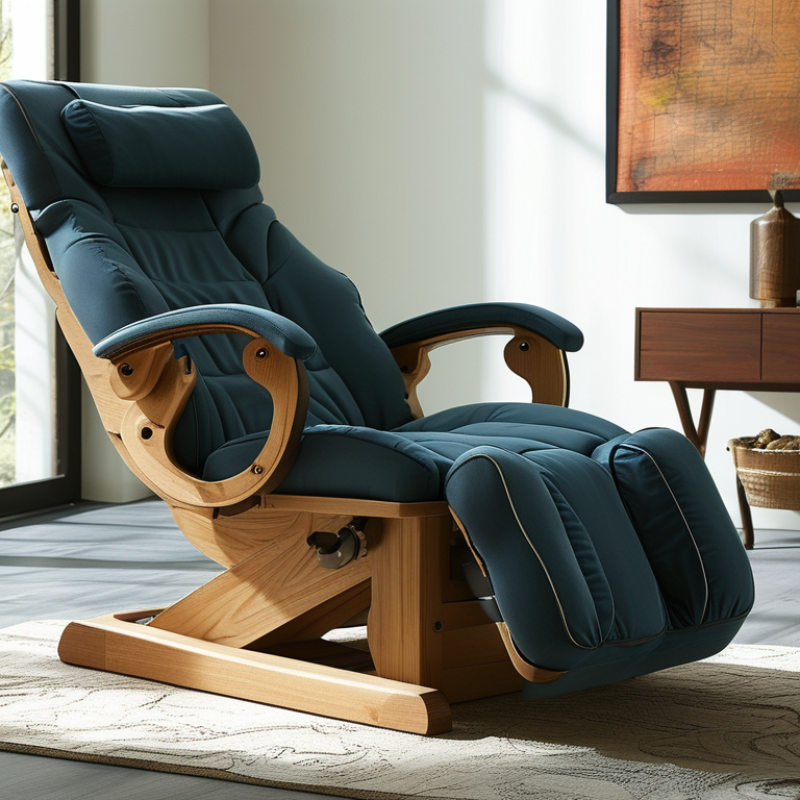
Posture correcting chairs offer significant benefits for spinal health. These chairs are designed to promote proper alignment. Good posture can reduce the risk of chronic back pain. Many people spend hours sitting without thinking about their posture. Over time, this can lead to discomfort and even injury.
Using a posture correcting chair encourages a natural spinal curve. It supports the lower back, which can lessen strain. Some models include lumbar support, enhancing comfort during long hours of sitting. Ergonomics play a key role in these designs. Many chairs are adjustable, allowing users to find their ideal height and angle.
However, not all chairs are perfect for everyone. Some users may feel uncomfortable initially. It takes time to adjust to a new sitting position. Regular feedback from the body is essential. Listening to these signals can prevent further issues. Overall, a good posture correcting chair can promote spinal health, but individual needs vary.
Ergonomic design plays a crucial role in reducing back pain and discomfort. A recent study published in the Journal of Occupational Health Psychology found that 54% of office workers reported improved comfort and reduced pain after switching to ergonomic chairs. These designs encourage a natural spine alignment. Good posture is essential for overall health.
Many experts emphasize that proper lumbar support is necessary. It can help reduce pressure on spinal discs. A report by the American Chiropractic Association highlights that sitting for long periods affects our spine's health negatively. Adjusting chair height and backrest angle can lead to significant relief for users. Simple changes can yield strong benefits.
Despite these advantages, not everyone experiences instant relief. Sometimes, it may take time for the body to adjust to new postures. Additionally, individuals may underestimate the importance of periodic movement. Even the best ergonomic chairs cannot fully prevent the effects of long periods of sitting. Regular breaks for stretching and walking are still essential for optimal comfort. Being mindful of these factors makes a noticeable difference in long-term health outcomes.
Posture correcting chairs offer transformative benefits for productivity and focus. Research reports highlight that proper posture can enhance cognitive function by up to 20%. When seated in a supportive chair, individuals often report improved concentration. This effect can lead to greater efficiency in work tasks.
A study from the Journal of Physical Therapy Science found that ergonomic seating reduces discomfort and fatigue during long hours of work. Participants using corrective chairs experienced a 17% reduction in perceived stress levels. This alleviation directly correlates with increased focus on tasks. However, not everyone initially feels comfortable with these new chairs, leading to a need for adjustment. It can take time for users to adapt.
Moreover, poor posture continues to plague the office environment. Ergonomic chairs can help, but they are not a complete fix. Habits established over years do not change overnight. Users may require reminders to sit properly and take regular breaks. Awareness of these elements can further enhance the positive impacts of posture correcting chairs.
| Aspect | Improvement Percentage | Effective Work Hours per Day | User Satisfaction Rating (out of 10) |
|---|---|---|---|
| Posture Correction | 30% | 6.5 | 8.5 |
| Reduction in Back Pain | 40% | 7 | 8.7 |
| Increase in Focus | 25% | 7.5 | 9 |
| Enhanced Productivity | 35% | 8 | 8.3 |
| Overall Health Improvement | 50% | 7.8 | 9.2 |
Adjustable features in posture correcting chairs play a crucial role in enhancing individual comfort and support. Each person has unique body dynamics, and a one-size-fits-all approach often falls short. Customization allows users to find their ideal sitting position. For instance, adjustable seat height helps accommodate different leg lengths. This adjustment aids in maintaining proper circulation and reducing strain while seated.
The lumbar support feature is another essential aspect. It can be modified to align with the natural curve of the spine. This promotes better posture and minimizes back pain. However, some users may find it challenging to identify the right lumbar support setting. They may over-rely on the chair for comfort instead of adjusting their own sitting habits. This presents an opportunity for reflection on personal posture habits. Engaging actively with the chair’s features can lead to significant health improvements.
Incorporating adjustable armrests can also enhance ergonomic benefits. They allow users to position arms comfortably. But not all users may take the time to fine-tune these settings. Taking a moment to evaluate how adjustments affect comfort can lead to better long-term benefits and healthier sitting practices. Engaging with these aspects can set a foundation for improved health.
Improving posture has become essential in today's sedentary lifestyle. A significant shift happens when you start using posture correcting chairs. They encourage an upright position, aligning the spine correctly. This can lead to reduced back pain, which many office workers face daily.
Long-term health effects of better posture are profound. Improved spinal alignment can enhance breathing. With proper posture, your lungs have more space to expand. This increased lung capacity helps boost energy levels. Many people notice improved concentration after making this adjustment. They feel less fatigued during long hours of sitting.
However, transitioning to a new posture may feel uncomfortable at first. Your body might resist change, leading to temporary soreness. It’s essential to listen to your body during this phase. Consistency is key, but it's important to reflect on your comfort levels. Not everyone will adapt the same way, and that's okay. Awareness of your posture combined with the right furniture can lead to lasting benefits.
: They promote proper alignment and reduce the risk of chronic back pain.
They encourage a natural spinal curve and provide lower back support.
Yes, they can enhance cognitive function and concentration, increasing efficiency.
Yes, users may initially feel uncomfortable and need time to adapt.
They allow customization to fit individual body dynamics and enhance comfort.
It aligns with the spine's natural curve, promoting better posture and minimizing pain.
No, they help, but habits developed over years don’t change overnight.
They should engage with the chair’s features and reflect on their posture regularly.
They allow comfortable positioning of arms, enhancing overall ergonomic support.
Many don't take time to fine-tune settings and may rely too much on the chair.
Posture correcting chairs play a crucial role in enhancing spinal health by promoting proper alignment and reducing strain on the back. The ergonomic design of these chairs helps to alleviate discomfort and back pain, making prolonged sitting more tolerable and enjoyable. A significant advantage is their ability to impact productivity and focus; users often report improved concentration levels while seated in chairs that support proper posture.
Moreover, adjustable features allow individuals to customize their seating experience, ensuring optimal support tailored to their unique body shapes and sizes. This adaptability is key to understanding how do posture correcting chairs actually work, as personalized adjustments contribute to maintaining healthy posture over time. In the long run, consistent use of such chairs can lead to significant health benefits, reinforcing the importance of mindful sitting habits in our daily lives.

Valet Chair