When it comes to office chair maintenance, the importance of knowing how to lubricate office chair wheels cannot be overstated. According to Frank Carter, an office ergonomics expert, "Regular lubrication can enhance both the longevity and functionality of your chair." A well-functioning set of wheels ensures smooth movement and comfort during long hours of work.
However, many users overlook this simple maintenance task. Over time, dust and debris can accumulate, causing wheels to stick or roll unevenly. This not only hampers mobility but can also lead to wear and tear on the chair itself. It's vital to establish a routine for lubricating chair wheels to avoid these issues.
Incorporating this practice might seem trivial. Yet, neglecting it can lead to frustration and discomfort. Consider using high-quality lubricant to ensure optimal performance. Understanding how to lubricate office chair wheels correctly can make a significant difference in your daily work experience. Embrace this small yet impactful task for a smoother, more enjoyable workspace.
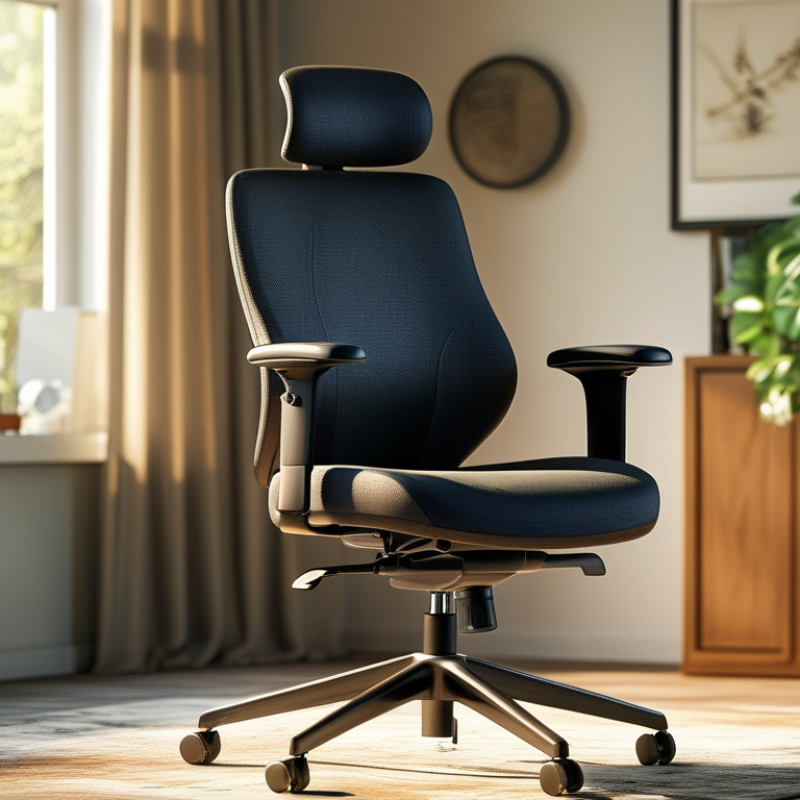
Understanding the Importance of Lubricating Office Chair Wheels
Lubricating office chair wheels is crucial for seamless movement. When wheels are properly lubricated, they help eliminate frustrating squeaks and resistance. This simple task not only enhances mobility but also prolongs the lifespan of the chair. Over time, dust and debris can accumulate, leading to stuck wheels. Neglecting this maintenance can cause premature wear.
Regular lubrication aids in smooth gliding and prevents future issues. It's an easy and effective task to maintain. A few drops of suitable lubricant can work wonders. Apply it directly to the wheel's axis and spin the wheels to distribute it evenly.
To keep your wheels in top shape, consider these tips. Clean the wheels regularly to remove debris. Inspect them for any damage. If a wheel is broken, replace it. These steps ensure a comfortable seating experience. Remember, small actions yield significant results.
Identifying the Types of Office Chair Wheel Materials
Office chair wheels come in various materials. Understanding these materials can help you maintain smooth movement. Common wheel types include nylon, polyurethane, and rubber. Each material has unique properties that influence performance.
Nylon wheels are lightweight and durable. They glide easily on carpeted surfaces. However, they may wear down quickly on hard floors.
Polyurethane wheels are versatile and provide a softer feel. They are great for both carpet and hard surfaces. But, they can be more expensive than nylon options.
Rubber wheels offer excellent grip and stability. They are less likely to scratch floors. Nonetheless, rubber can lose its effectiveness over time.
Identifying the material of your chair's wheels is crucial for proper lubrication. Using the right lubricant can enhance movement. For nylon and polyurethane, use a silicone-based lubricant for optimal performance. For rubber, a light oil can be applied. Regular maintenance ensures longevity. Remember, smooth movement doesn't just happen; it requires care and attention to detail. Ignoring maintenance may lead to frustration and uneven wear. Choose your materials wisely, considering your office floor type. Investing time in understanding your chair wheels pays off in comfort and mobility.
Tools and Materials Needed for Lubrication
Lubricating office chair wheels ensures smooth movement and enhances ergonomics at work. Before starting, gather necessary tools and materials. Essential items include a multi-purpose lubricant, clean rags, and a wrench. A recent survey found that 30% of office workers experience discomfort due to faulty chair mechanisms. Proper maintenance can improve comfort and productivity.
Choose a lubricant that penetrates well and leaves a protective film. Avoid aerosol sprays that can create a mess. Instead, opt for liquid lubricants or grease. Studies show that regular lubrication can extend the lifespan of office furniture by up to 50%. Ensure the chair wheels are clean before applying lubricant. Dust and debris can worsen performance.
Consider using a wrench to remove stubborn wheels for thorough cleaning. In some cases, lubrication might not fix all issues. If chair wheels do not function smoothly after lubrication, replacement may be required. Reflecting on this, it’s essential to be proactive with office equipment care. Regular checks can prevent larger problems down the line.
How to Lubricate Office Chair Wheels for Smooth Movement? - Tools and Materials Needed for Lubrication
| Tool/Material |
Purpose |
Examples |
| Lubricant Spray |
Reduce friction and ensure smooth movement |
Silicone spray, WD-40 |
| Grease |
Provide long-lasting lubrication |
Lithium grease, Heavy-duty grease |
| Cleaning Cloth |
Wipe off dirt and old lubricant |
Microfiber cloth |
| Screwdriver |
Remove the wheels from the chair if needed |
Flathead or Phillips screwdriver |
| Brush |
Apply lubricant in hard-to-reach areas |
Small paintbrush or old toothbrush |
Step-by-Step Guide to Lubricate Office Chair Wheels
Lubricating office chair wheels can greatly enhance their performance. A smooth glide reduces noise and improves mobility. Here’s how to do it step by step.
Begin by removing the wheels from the chair. Most simply pull out from their base. Clean them with a damp cloth to remove dirt and dust. Then, dry them thoroughly. Any moisture can trap particles later. After cleaning, apply a suitable lubricant. Silicone spray works well for its long-lasting properties. Use it sparingly to avoid excess buildup.
Tips: Check the wheels regularly for signs of wear. Clogs happen even with proper maintenance. Pay attention to any resistance while moving.
Once you’ve lubricated the wheels, reattach them to the chair. Test their movement. Are they gliding smoothly? If not, consider repeating the process. Sometimes, one application isn’t enough, especially with stubborn wheels.
For optimal performance, inspect your chair regularly. Early maintenance can save you time and hassle later. Avoid neglect; it may lead to more intricate repairs. Remember, a well-lubricated chair can lead to a more pleasant work environment. Small actions often lead to big changes.
Tips for Maintaining Smooth Movement of Office Chair Wheels
Maintaining smooth movement of office chair wheels
is crucial for a comfortable workspace. Regular checks can prevent frustration. Start by inspecting the wheels for debris. Dust and hair can accumulate, leading to restricted movement. A simple cleaning can enhance performance. Use a soft brush or cloth to remove obstructions.
Lubrication is essential, but it requires care. A non-greasy lubricant is best. Apply it sparingly, as excess can attract more dirt. Rotate the wheels to ensure even distribution.
Watch for signs of wear. If the wheels are worn out or damaged, they need replacement.
Consider the surface you use the chair on. Hard floors may require different wheel types compared to carpets. Hard wheels perform poorly on plush surfaces. Reflecting on each aspect can lead to smoother operation. Keep the chair height adjusted; it also influences wheel performance. Regular maintenance is an investment in comfort and functionality.
FAQS
: Common materials include nylon, polyurethane, and rubber. Each has unique properties affecting performance.
Nylon wheels glide easily on carpets but may wear down quickly on hard floors.
Polyurethane wheels provide a softer feel, suitable for both carpet and hard surfaces. However, they can be pricier.
Rubber wheels offer excellent grip and stability, reducing floor scratches. Over time, their effectiveness may decline.
Use silicone-based lubricant for nylon and polyurethane. For rubber wheels, a light oil is recommended.
Regular maintenance can enhance smooth movement, preventing discomfort and productivity issues. Ignoring it may cause uneven wear.
Gather multi-purpose lubricant, clean rags, and a wrench. These items ensure effective maintenance.
If wheels do not move smoothly after lubrication, replacement may be necessary for proper function.
Regular checks are important for signs of wear. Early inspections help avoid larger problems later.
Small maintenance actions lead to significant improvements in comfort and mobility in your work environment.
Conclusion
Maintaining smooth movement in office chairs is essential for comfort and productivity, and understanding how to lubricate office chair wheels is a key part of this process. The article outlines the significance of regular lubrication, details different wheel materials, and highlights the tools and materials needed for effective results.
The step-by-step guide provides clear instructions for applying lubricant to the wheels, ensuring they roll freely. Additionally, the article offers valuable tips on maintenance practices to prolong the life of the chair’s wheels and sustain their smooth functionality. By following these guidelines, users can enhance their office chair experience significantly.

 Valet Chair