Squeaky desk chairs can be frustrating and disruptive. They affect focus and productivity in any workspace. A 2021 report by the Office of Ergonomics found that 70% of employees face distractions from noise. This underscores the need to understand how to fix a squeaky desk chair effectively.
Experts like John D. Smith, an industry consultant at Ergonomic Solutions, say, "A quiet workspace is essential for peak performance." His insights remind us that even small distractions can lead to big productivity losses. There are various reasons for a chair to squeak, including loose screws and friction in joints. Identifying the source is crucial.
Addressing the issue not only restores peace but also enhances the chair's longevity. A well-maintained chair can last years longer than one neglected. To solve the problem efficiently, one should have the right tools and materials ready. It’s important to take the time to perform the necessary checks, ensuring everything is in top shape. Ignoring these minor sounds may lead to bigger issues down the line.
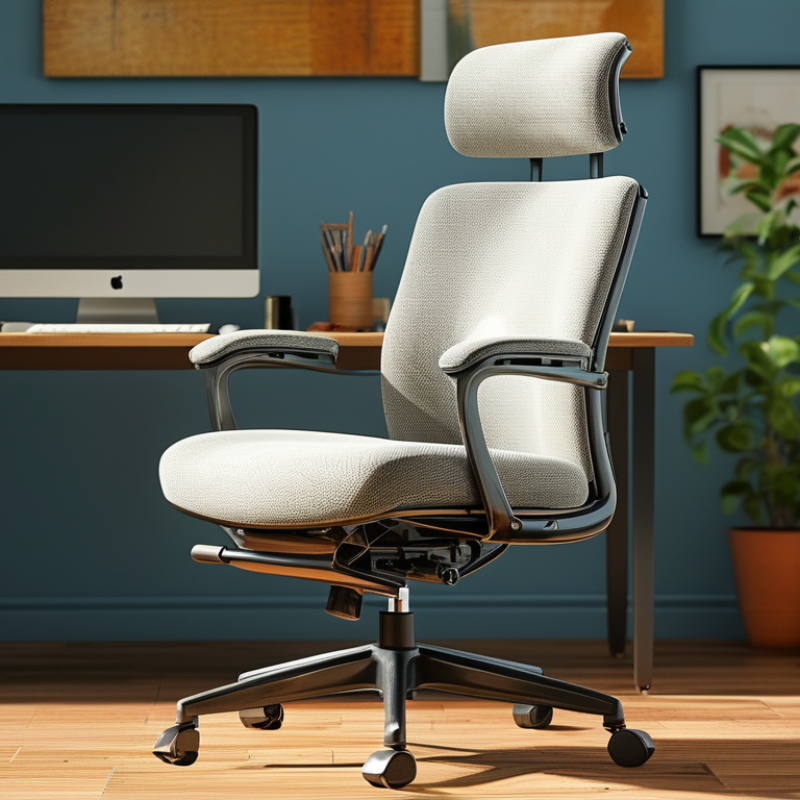
When dealing with a squeaky desk chair, the first step is to identify the source of the sound. A chair usually creaks due to loose screws or worn-out components. Sit in the chair and move around to pinpoint the exact area causing the noise. Pay attention to joints, wheels, and the seat itself, as these are common culprits.
In many cases, the noise originates from the joints connecting the seat and the legs. Loose screws are often the easiest fix. Tightening these can sometimes eliminate the problem. If the squeak persists, check if the wheel mechanisms are functioning properly. They may need lubrication. A little oil often goes a long way. However, be cautious not to over-apply.
Sometimes, identifying the source requires patience. Not every squeak will vanish immediately. You may need to tweak or adjust various parts of the chair. Reflect on your process and keep track of what works and what doesn’t. Each chair is unique, and it may take trial and error to achieve silence.
When tackling a squeaky desk chair, gathering the right tools and materials is essential for an effective fix. Industry reports indicate that around 60% of office workers experience issues with their chairs, predominantly due to wear and tear. It is wise to start with a few basic tools: a screwdriver, lubricant, and an adjustable wrench. These simple items can make a significant difference in addressing those annoying squeaks.
Using a high-quality lubricant, such as silicone spray or grease, can often resolve the problem instantly. According to a study by the Ergonomics Society, squeaky chairs can cause distractions that lead to decreased productivity. Ensuring all screws are tight can also help reduce noise significantly, as loose parts often contribute to creaking.
Check all joints and moving parts. Sometimes, simply applying lubricant may not fully eliminate the noise. You might discover that the issue lies in a worn-out component needing replacement. Observing your chair's mechanical parts can offer insights into potential flaws. Regular maintenance is crucial, not just for noise reduction but for safety and longevity as well. It’s essential to stay proactive in addressing these minor issues before they escalate into major inconveniences.
| Tool/Material | Purpose | Usage Instructions |
|---|---|---|
| Screwdriver | To tighten loose screws | Use the appropriate screwdriver to tighten all screws on the chair frame. |
| Lubricant Spray | To reduce friction | Spray lubricant on the moving parts of the chair. |
| Wood Glue | To fix wooden parts | Apply glue to any loose wooden joints and clamp until dry. |
| Pliers | To adjust metal components | Use pliers to adjust or straighten any bent components. |
| Rags | For cleaning | Wipe down the chair to remove dust and dirt before repair. |
A squeaky desk chair can be quite annoying, disrupting your focus. A common solution is to apply lubrication to its moving parts. Identifying these areas is essential. Typically, you’ll want to check joints, castors, and components that move during use.
Using a suitable lubricant can reduce friction, which often causes the squeaking sound. WD-40, silicone sprays, or dedicated chair lubricants can work wonders. Spray a small amount at the base of the wheel and the joints. Rotate the seat and wiggle the armrests. Watch for remaining noise. If the squeak persists, consider reapplying.
Ensure you don’t over-lubricate, as excess product can attract dust and grime. It’s also wise to regularly clean the chair to maintain its function. Lubrication alone won’t solve all issues. Periodic checks and adjustments are needed. Reflect on your chair's condition. A squeaky chair could indicate wear and tear, prompting a closer inspection.
Squeaky desk chairs can be quite bothersome. One major cause of the noise is loose screws and bolts. Over time, the movement of the chair can loosen these components, leading to annoying creaks and squeaks. It's important to address this issue, as a well-functioning chair will enhance your comfort and productivity.
Start by examining the chair closely. Use a screwdriver to check each screw and a wrench for any bolts. Pay attention to the joints where different parts connect. It can be surprising how easily screws can loosen. If you find any that are not tight, secure them firmly. Be careful, though; overtightening can strip the threads and cause more problems.
After tightening, test the chair by moving around. Listen for any remaining noises. If it still squeaks, consider checking other areas, such as the wheels or armrests. Sometimes, a bit of lubricant can also help with persistent squeaks. Reflect on how often you sit in your chair. Regular maintenance can prevent squeaking over time. Addressing these small issues today can lead to a much more pleasant work environment tomorrow.
Squeaky desk chairs can be annoying. If you've tried lubricating the joints and bolts but the noise persists, it might be time to consider replacement parts. Regular wear and tear can lead to damaged components, which aren’t always fixable with oil.
Inspect the chair carefully. Check for worn washers, loose bolts, or damaged wheels. Each of these parts can contribute to that irritating squeak. Ordering new components could save you from the expense of a completely new chair. It’s an option that many overlook.
Replacing parts often requires some assembly skills. If you're unsure, seek guidance from online tutorials. This can give you insights into the process. Remember, understanding how your chair works will help prevent future issues. Don't hesitate to reach out to a professional if needed. It's essential to keep your workspace comfortable and quiet.
: You will need a screwdriver, lubricant, and an adjustable wrench.
Lubrication reduces friction in moving parts, easing squeaks and enhancing functionality.
Focus on joints, castors, and any moving components to effectively reduce noise.
If the squeak persists, inspect for worn-out parts that may need replacement.
Yes, too much lubricant can attract dust and grime, complicating maintenance.
Routine checks ensure safety, longevity, and can prevent minor issues from escalating.
It's best to check periodically and address squeaks as they arise.
Persistent squeaking or mobility issues often suggest wear and potential problems.
Squeaky chairs can distract you, potentially leading to decreased focus and efficiency.
Consider its age, wear, and if it requires parts replacement or further maintenance.
If you're wondering how to fix a squeaky desk chair, the first step is to identify the source of the squeak. This could involve checking various moving parts of the chair to locate where the sound is coming from. Once you've pinpointed the issue, gather the necessary tools and materials for the repair process, such as lubricants and screwdrivers.
Next, apply lubrication to the moving parts that may be causing the noise, ensuring a smoother operation. Additionally, check for any loose screws or bolts and tighten them as needed. If the squeaking persists despite these efforts, you may want to consider replacing specific parts of the chair. By following these steps, you can effectively address the annoyance of a squeaky desk chair and maintain a more pleasant workspace.

Valet Chair