Selecting the right medical examination chair is crucial for both patients and healthcare providers. Dr. Sarah Thompson, a leading expert in medical equipment design, emphasizes, “Comfort and functionality should guide your choice.” When considering what features to look for in a medical examination chair, attention to detail can make a difference.
Ergonomics and adjustability are primary concerns. A chair must cater to various patient sizes. Additionally, consider ease of cleaning. Materials that resist stains and are easy to disinfect are essential. Accessibility features should not be overlooked either, as they impact patient safety.
Yet, the choices available can be overwhelming. Many chairs might not meet all ideal specifications. Some options might lack durability or the right padding. Consider all aspects carefully. Balancing comfort, safety, and functionality will lead to better patient experiences.
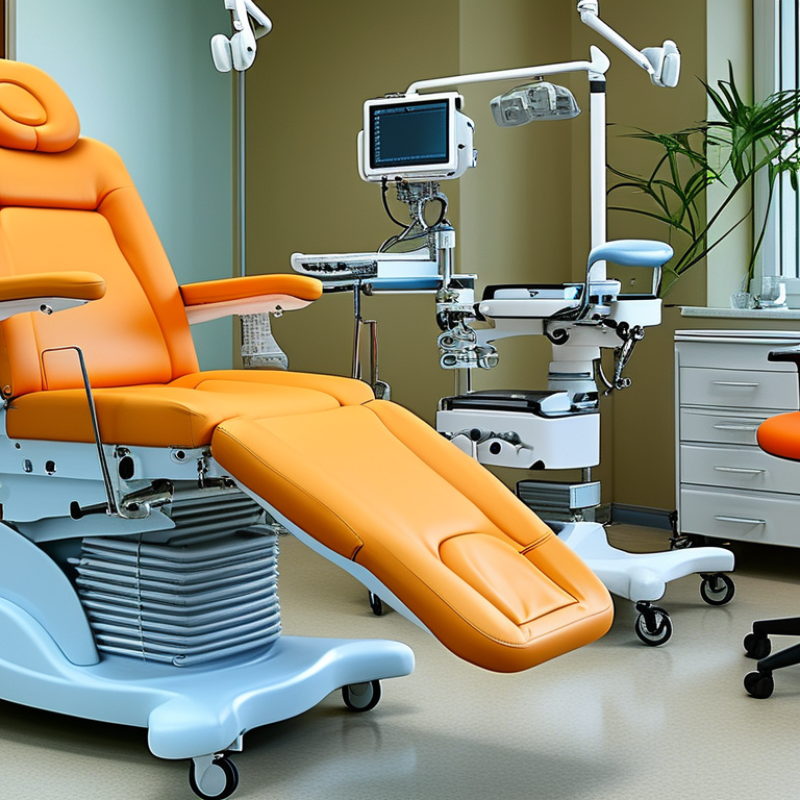
Ergonomics play a crucial role in the design of medical examination chairs. A report by the Healthcare Ergonomics Institute notes that 70% of medical staff experience discomfort during patient examinations. An ergonomic chair can significantly reduce this strain. Key features include adjustable height and backrests. These adjustments allow for optimal positioning, which benefits both patient and practitioner.
Patient comfort also hinges on materials used in chair design. Soft, breathable fabrics can enhance the experience. According to a study by the American Journal of Medicine, 68% of patients expressed a preference for chairs that provide warmth and support. Additional features like lumbar support can alleviate pressure points. A well-designed chair ensures that patients feel secure and relaxed during examinations.
In assessing chairs, attention to details is paramount. Many chairs lack sufficient padding, leading to discomfort during longer visits. A lack of sufficient width can make some patients feel confined. These shortcomings remind us that not all designs meet the essential requirements for comfort. Regular feedback from both patients and healthcare providers is necessary to improve and innovate.
When selecting a medical examination chair, adjustable features are crucial. They enhance accessibility and flexibility, benefitting both medical professionals and patients. A chair that can be easily adjusted allows practitioners to find the ideal height for examinations. This reduces strain on the clinician's back and improves patient comfort.
Consider features like height adjustment, tilt mechanisms, and backrest options. A chair that reclines can also help in various procedures. It is beneficial for accommodating patients with different needs. Adjustability can be a game changer for wheelchair users or those with mobility issues. Small adjustments can make a significant impact on overall experience.
However, the challenge lies in the complexity of some mechanisms. Not all adjustable features are intuitive. Medical staff may need training to use them efficiently. Take time to evaluate if such chairs are easy to operate. Accessibility should not just be a checkbox; it should enhance the entire examination process.
When selecting a medical examination chair, durability and material quality play crucial roles. A chair in a medical setting endures daily use. Patients of various sizes and weights will rely on it. Therefore, robust materials are essential. High-quality upholstery resists wear and tear. It should also be easy to clean and disinfect. This aspect is key to maintaining hygiene in medical environments.
Look for chairs made from strong metals or composite materials. Steel frames provide stability and support. They can withstand the rigors of routine examinations. However, some materials may corrode or degrade over time. Regular maintenance is important to address these issues.
Moreover, consider the chair's overall design. Does it accommodate diverse patient needs? The ability to adjust height and recline is vital. Yet, some chairs may lack flexibility. Always test these features before making a choice. A well-made chair enhances patient comfort and caregiver efficiency. Choosing wisely can improve patient interactions in clinics and hospitals.
When choosing a medical examination chair, safety features should be a primary consideration. These features directly impact patient protection and compliance with health regulations. For instance, chairs must have sturdy construction to support various patient weights. Anti-slip surfaces can prevent falls, which are a common risk in medical settings. A well-designed chair allows easy access for both patients and healthcare providers.
Moreover, adjustable components can enhance safety. Armrests and footrests should be ergonomically designed. These features help patients feel secure during examinations. However, some chairs lack adequate adjustments, leading to discomfort. Ease of cleaning is vital as well. Chairs with seamless designs are often easier to sanitize. Yet, many designs do not prioritize this, raising infection control concerns.
Incorporating safety alarms or weight sensors can also enhance patient safety. These technologies alert staff if a patient is at risk. However, not all facilities implement such features, potentially compromising patient protection. Reflecting on these safety aspects is essential. It helps ensure that patient care remains the priority in any healthcare setting.
When selecting a medical examination chair, hygiene is paramount. The chair's design should facilitate cleaning and maintenance. According to a report by the Centers for Disease Control and Prevention (CDC), maintaining hygiene in medical environments reduces the risk of infections by up to 70%. Therefore, a chair with smooth surfaces and minimal crevices is ideal. This design prevents dust and bacteria build-up, ensuring a safer environment for both patients and healthcare providers.
Tips: Choose materials that resist stains and are compatible with disinfectants. Chairs made of vinyl or similar materials are often easier to sanitize. Regular cleaning protocols should be established to maintain a hygienic environment.
Another consideration is the chair's mobility. A lightweight, easily movable chair can enhance cleaning efforts. However, ensuring stability during use is equally important. Some models may appear sturdy yet lack robustness. Make sure to incorporate both aspects in your final decision. Regular inspections of the chair's condition can improve its lifespan and safety. Regular maintenance checks can spot wear and tear before they pose a risk, maintaining hygiene standards in your practice.
: Ergonomics is crucial as it reduces discomfort for medical staff and patients during examinations.
Chairs should have adjustable heights and backrests for optimal positioning during patient care.
Soft, breathable fabrics enhance comfort. Patients prefer chairs that provide warmth and support.
Insufficient padding and width can lead to discomfort and restrict patient movement.
Safety features protect patients and ensure compliance with health regulations during examinations.
Ergonomically designed armrests and footrests help patients feel secure during procedures.
Seamless designs are easier to sanitize. Many chairs overlook this, raising infection control concerns.
Safety alarms or weight sensors can alert staff about potential patient risks.
Many designs fail to meet comfort requirements, highlighting a need for regular feedback and improvements.
Reflecting on ergonomic and safety aspects in chair design is essential for quality healthcare.
When considering what features to look for in a medical examination chair, it's essential to prioritize ergonomic design to ensure patient comfort during examinations. Chairs should offer adjustable features that allow for enhanced accessibility and flexibility, catering to a wide range of patients and procedures.
Additionally, durability and material quality are crucial for long-term use in medical environments, ensuring the chair withstands daily wear and tear. Safety features should be integrated to protect patients while also ensuring compliance with medical regulations. Lastly, the ease of maintenance and cleanability is vital for maintaining high hygiene standards in any medical setting. Together, these factors contribute to selecting an ideal medical examination chair that meets the needs of both patients and healthcare professionals.

Valet Chair