Choosing the right office chair is crucial for those suffering from sciatica. According to a report by the American Chiropractic Association, nearly 40% of adults experience sciatica at some point in their lives. These statistics highlight why understanding how to choose an office chair for sciatica relief is vital.
The ideal chair should offer proper lumbar support. Many chairs fall short in this area, leading to increased discomfort. A study from the Journal of Occupational Health suggests that ergonomic chairs can significantly reduce pain levels. However, not all ergonomic options are created equal. It’s essential to assess features like adjustable armrests, seat depth, and material.
Consider the chair height as well. An improper height can worsen sciatica symptoms. Reports show that almost 70% of workers encounter pain due to incorrectly aligned furniture. Therefore, taking the time to evaluate your office chair is key to your comfort and productivity. If you find yourself often adjusting your position or experiencing pain, it might be time for a change.
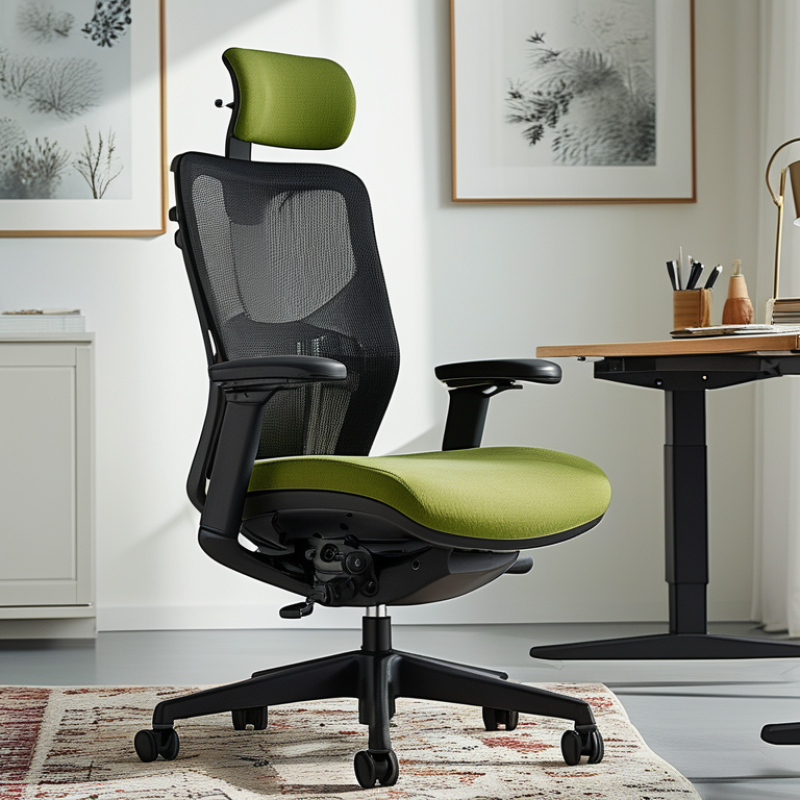
Sciatica often leads to discomfort while sitting. The pain radiates from the lower back down to the legs, making it challenging to maintain a seated position for extended periods. According to the American Chiropractic Association, about 40% of adults will experience sciatica at some point in their lives. This condition can impact productivity and overall quality of life.
A chair that promotes proper posture can significantly alleviate discomfort. Look for features like lumbar support, adjustable height, and a seat that encourages an open hip angle. Research shows that a good ergonomic chair can reduce lower back pain by more than 50%. However, many people still choose chairs based on aesthetics rather than comfort or support. This approach can lead to ongoing pain and dissatisfaction.
It's crucial to assess your chair regularly. A chair that's comfortable today may not be tomorrow. What worked last week might not support you adequately now. Simple adjustments, like using a cushion or adjusting your posture, can make a difference. Remember, awareness of your body’s needs and a willingness to adapt are essential in managing sciatica effectively.
: Sciatica causes pain that radiates from the lower back to the legs. This makes sitting for long periods uncomfortable.
Approximately 40% of adults experience sciatica at some point in their lives, impacting their productivity.
Look for lumbar support, adjustable height, and a seat that promotes an open hip angle to reduce discomfort.
Research shows a good ergonomic chair can reduce lower back pain by over 50%.
Many individuals prioritize how a chair looks instead of its supportive features, leading to potential pain.
Regular assessments are crucial. A comfortable chair today may not provide the same support tomorrow.
Adjusting your posture or using a cushion can make a noticeable difference in your sitting comfort.
Height adjustability allows your feet to rest flat, promoting better circulation and minimizing pressure on the sciatic nerve.
A cushioned seat with adequate thickness can help reduce pressure points. Memory foam can offer extra comfort.
A chair can't eliminate pain entirely, but thoughtful adjustments can lead to significant relief over time.
Choosing the right office chair is crucial for individuals suffering from sciatica, as prolonged sitting can exacerbate discomfort. To understand how to choose an office chair for sciatica relief, it's important to recognize the impact of sciatica on sitting comfort, as it can lead to pain and discomfort if not adequately addressed. Key features to consider include proper adjustability, allowing for personalized height and lumbar support, which can significantly improve comfort levels.
Additionally, selecting appropriate materials and designs that promote optimal comfort is essential. Chairs with sufficient cushioning, breathable fabric, and ergonomic contours can enhance the sitting experience. Furthermore, maintaining good posture while sitting is vital for those with sciatica. Regular breaks, correct sitting alignment, and using supportive tools can help mitigate pain and prevent further complications. By considering these factors, one can make an informed decision on how to choose an office chair for sciatica relief effectively.

 Valet Chair