Choosing the right chair raises a practical question: how much should you spend on a professional desk chair? The answer depends on daily use, body support, materials, and adjustment quality. A chair used for eight hours deserves more attention than a spare guest chair. In China’s professional chair market, prices can range from affordable factory models to premium ergonomic designs with certified components. However, a higher price does not automatically guarantee better comfort.
Alan Hedge, professor emeritus of ergonomics at Cornell University, said, “The best posture is the next posture.” This principle matters when comparing professional chairs. Look for adjustable seat depth, responsive lumbar support, stable armrests, and breathable mesh. A useful chair should let you shift naturally, not lock you into one position. During product evaluations, small details become obvious. A hard seat edge can press behind the knees. Weak armrests may wobble during typing. A smooth caster can also change daily comfort.
For many buyers, spending about $250 to $700 offers a sensible balance between durability and ergonomic features. Heavy users may consider models above $700, especially when warranties cover the mechanism and gas lift. Budget buyers should not feel excluded. Some chairs under $250 perform well when correctly adjusted. That is the imperfect part: comfort remains personal. A chair that suits a tall designer may disappoint a shorter accountant. Before buying, measure your desk height, test the seat, and review the warranty. The real goal is not the most expensive chair. It is dependable support for your actual working hours.
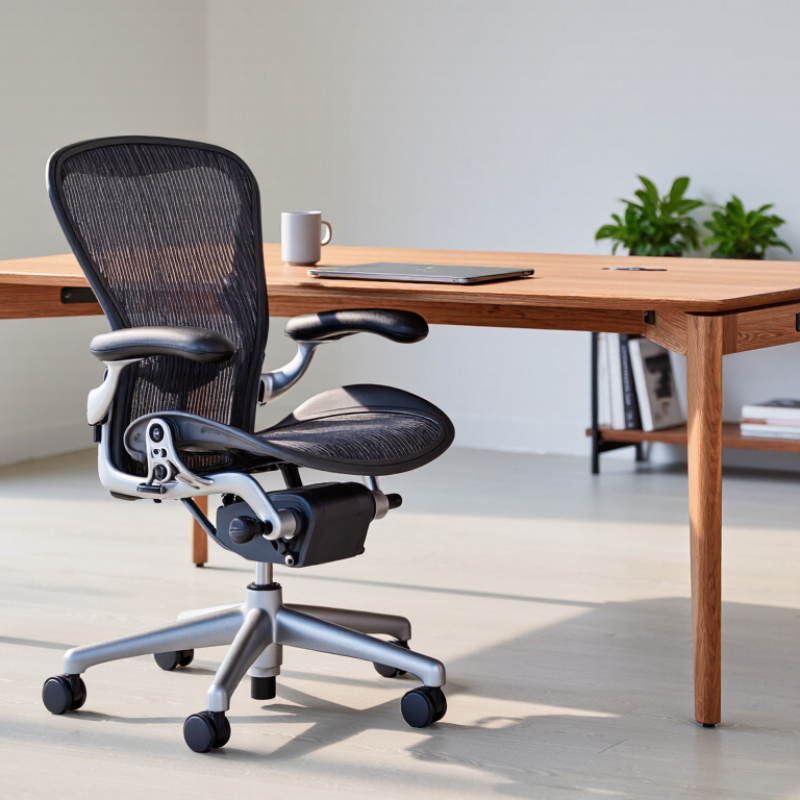
A top professional chair made in China is defined by engineering, not a low price. A reliable manufacturer studies posture, pressure points, and daily movement. The frame should feel stable when users lean, turn, or adjust the backrest. High-density foam, durable mesh, and smooth mechanisms also matter. These details often justify spending more than a basic office chair.
Quality control must be visible. Ask for material specifications, load testing, adjustment-cycle results, and inspection records. A serious supplier should explain production tolerances clearly. Warranty terms also reveal confidence. However, paperwork alone cannot prove comfort. Sit testing remains essential. A chair may pass every test and still feel wrong after six hours.
Tips: Compare three samples, not one. Check stitching, wheel movement, armrest looseness, and noise. Request replacement-part availability before ordering. Ask who performs final inspections. Do not trust impressive photos too quickly.
In practical sourcing, a professional chair may cost more because its components are selected for repeated use. The best value usually balances ergonomics, repairability, and consistent manufacturing. Price should match evidence, not marketing language. I would still leave room for doubt. Even a well-built chair can fail when users ignore correct adjustment. That small detail is often overlooked.
In China’s professional seating market, higher prices generally reflect stronger frame construction, longer warranty coverage, adjustable ergonomics, breathable materials, and more precise support for long working hours. The figures below represent indicative brand-neutral retail price levels in RMB.
Professional chairs serve different tasks, so price should follow use rather than appearance. An ergonomic office chair supports long computer sessions with adjustable height, lumbar depth, armrests, and recline tension. A task chair suits short, active work at counters, workshops, or shared desks. It usually needs a compact frame and durable casters, not thick padding. A drafting chair adds a higher seat and foot ring for elevated work surfaces. Reception and guest chairs prioritize stable posture, easy cleaning, and quiet movement. Executive chairs offer more cushioning, but extra size does not guarantee better support. Looks can mislead.
Laboratory and clinical chairs need smooth surfaces, strong frames, and materials that tolerate frequent cleaning. Training-room chairs should stack easily without damaging floors. For daily, eight-hour use, spending more on tested adjustability is usually sensible. For occasional seating, a simpler professional chair may be enough. Check the adjustment range, base stability, stitching, and warranty terms before ordering. Sit with both feet flat and test the backrest under normal working pressure. Fit matters.
A common mistake is choosing firm padding and calling it comfort. Padding can soften, but poor seat depth still creates pressure behind the knees. I would also question very low prices when replacement parts are unavailable. Chair testing is not perfect, because body shapes and work habits differ. Measure the desk, record the user’s height, and consider a small trial period. These details make spending decisions more reliable than a polished showroom image.
A practical comparison of professional chair categories, typical spending levels, working applications, and essential features.
| Professional Chair Type | Typical Price Range (USD) | Best Use | Recommended Daily Use | Important Features | Recommended Spending Level |
|---|---|---|---|---|---|
| Ergonomic Task Chair | $150–$600 | Computer work, home offices, shared workstations, and general professional tasks. | 4–8 hours per day | Adjustable seat height, lumbar support, breathable backrest, seat-depth adjustment, armrests, and tilt control. | Best overall value |
| Executive Office Chair | $300–$1,200 | Private offices, management rooms, client meetings, and work requiring a larger cushioned seat. | 4–8 hours per day | High backrest, padded seat, reclining mechanism, adjustable armrests, durable upholstery, and stable five-star base. | Mid to premium |
| 24-Hour Intensive-Use Chair | $500–$1,500+ | Control rooms, security centers, dispatch offices, healthcare stations, and continuously staffed workplaces. | 8–24 hours across multiple shifts | Heavy-duty mechanism, reinforced frame, high-durability upholstery, replaceable components, adjustable lumbar support, and tested casters. | Premium investment |
| Drafting or High-Work-Surface Chair | $180–$700 | Architectural studios, laboratories, retail counters, workshops, and elevated desks. | 3–8 hours per day | Extended height range, foot ring, adjustable foot support, supportive backrest, seat-height control, and suitable casters. | Purpose-specific |
| Conference Chair | $80–$350 | Meeting rooms, training areas, interview rooms, and visitor seating. | 1–4 hours per session | Comfortable moderate padding, stable frame, easy-clean upholstery, compact footprint, and optional stacking or linking capability. | Economical to mid-range |
| Task Stool | $100–$450 | Laboratories, clinics, workshops, reception counters, and sit-stand workstations. | 2–6 hours per day | Height adjustment, supportive seat, foot ring or footrest, easy-clean surface, and a stable base with appropriate casters. | Practical value |
| Kneeling Chair | $100–$400 | Short-duration computer work and users seeking an alternative sitting posture. | Up to 2–4 hours at a time | Padded knee support, adjustable seat angle, stable frame, breathable cushioning, and sufficient lower-leg clearance. | Supplementary chair |
| Saddle-Style Work Chair | $150–$650 | Dental rooms, medical practices, laboratories, salons, and precision work areas. | 2–8 hours per day | Height adjustment, contoured saddle seat, smooth mobility, easy-clean upholstery, and a compact base. | Specialist investment |
| Ergonomic Mesh Chair | $180–$800 | Warm offices, open-plan workspaces, and long periods of computer use. | 4–8 hours per day | Breathable mesh back, adjustable lumbar support, synchronized tilt, seat-depth adjustment, and height-adjustable armrests. | Mid to premium |
| Heavy-Duty Office Chair | $250–$900 | Industrial offices, logistics departments, users requiring a wider seat, and demanding work environments. | 4–8 hours per day | High weight capacity, reinforced five-star base, wide seat pan, durable upholstery, heavy-duty casters, and robust adjustment controls. | Durability-focused |
Buying guideline: For regular full-day computer work, allocating approximately $250–$600 usually provides meaningful ergonomic adjustments and better long-term durability. Actual prices vary according to materials, adjustment systems, load capacity, certifications, shipping, and local market conditions.
When choosing a professional chair, price should follow construction, not decoration. A strong steel or reinforced frame usually supports daily commercial use better than thin plastic. Check the joints carefully. Loose connections often become expensive problems later.
Seat foam also affects comfort and value. High-density foam should resist flattening after long work sessions. The seat should support your thighs without pressing behind the knees. Adjustable height, tilt tension, lumbar support, and armrests can improve posture. Small adjustments matter. A smooth mechanism is usually worth paying for. However, more controls do not always mean better quality.
The upholstery should feel durable and remain easy to clean. Breathable fabric may suit warm rooms, while coated materials can simplify maintenance. Examine the base, casters, and weight rating as well. These parts receive constant stress. In practical chair evaluations, I look for stable movement and quiet operation. Price alone is not proof of reliability. I once valued appearance too highly and overlooked weak padding. That was a useful mistake. A professional chair may justify a higher budget when its structure, comfort, and service support match the workload. Still, buyers should question vague durability claims and request clear specifications. A modest chair with honest materials can outperform an expensive chair with unnecessary features.
Typical Price Ranges for Chinese Professional Chairs
Chinese professional chairs usually cost between $80 and $1,000, depending on design, materials, and production standards. Entry-level models often range from $80 to $180. They may include basic mesh, adjustable height, and simple lumbar support. Mid-range chairs usually cost $180 to $450. These often offer stronger frames, thicker cushions, adjustable armrests, and improved tilt systems. Premium professional chairs can range from $450 to over $1,000. They may include advanced ergonomic adjustment, durable fabrics, and longer-tested components.
These figures usually describe factory or wholesale prices, not the final delivered cost. Shipping, packaging, inspection, taxes, and customization can raise the budget noticeably. From practical purchasing experience, a chair with a reinforced base and reliable gas lift is often worth the extra money. I once focused too heavily on appearance and underestimated long-term comfort. That mistake was expensive. Certification documents, load testing, warranty terms, and replacement-part access also deserve careful review.
Tips: Ask for a complete quotation with every cost listed. Request material samples before placing a large order. Test the chair for at least thirty minutes if possible. Avoid choosing the lowest offer automatically. A $120 chair may look attractive, but frequent repairs can exceed the price difference. For daily office use, many buyers find the $250 to $500 range more balanced. Still, comfort varies by body shape, working posture, and adjustment habits.
Choosing the right professional chair starts with your daily routine, not a luxury label. If you sit two hours daily, a basic adjustable chair may be enough. For eight-hour workdays, invest more in lumbar support, seat depth, armrest adjustment, and a breathable backrest. Grand View Research estimated the global office furniture market at approximately US$57 billion in 2023. That scale reflects demand, but it does not prove that the most expensive chair is best.
Set a practical budget by dividing the price across expected use. A US$150 chair used for occasional study may be reasonable. A US$500 chair used 2,000 hours yearly costs about 25 cents per hour before maintenance.
Check the mechanism carefully. The seat should keep your feet flat and leave two fingers of space behind your knees. The backrest should support movement, not lock your body rigidly. I once chose a chair with excellent cushioning, but its fixed armrests caused shoulder tension. Comfort can mislead.
Tips: Test the chair for at least ten minutes. Adjust seat height, depth, recline, and arms. Read warranty terms and return conditions. Compare independent test reports, such as BIFMA performance standards, instead of trusting showroom language. A 2024 workplace survey from the International Facility Management Association found that employee experience remains a major workplace priority. Still, personal fit matters more than a polished specification sheet. Some budget chairs perform well. Some costly chairs disappoint.
Professional chairs commonly cost $80 to over $1,000. Many daily office users find $250 to $500 reasonably balanced.
Look for a reinforced frame, stable base, reliable gas lift, and durable upholstery. Decoration alone proves very little.
No. A modest chair with honest materials can outperform an expensive chair with unnecessary controls. Still, repair costs may grow.
Adjustable height, lumbar support, armrests, tilt tension, and dense seat foam can help. Small adjustments matter.
Sit for at least thirty minutes when possible. The seat should support your thighs without pressing behind your knees.
Check joints, casters, the base, and the weight rating. These parts receive constant stress during daily use.
Shipping, packaging, inspection, taxes, and customization may raise the delivered cost. Request one complete quotation.
Ask for load testing, certification documents, warranty terms, and replacement-part access. Vague durability claims need questioning.
Breathable fabric suits warm rooms, while coated materials simplify cleaning. The better choice depends on temperature and maintenance habits.
Do not value appearance too highly. I once overlooked weak padding because the chair looked impressive. That mistake changed my evaluation method.
A top professional chair made in China is defined by thoughtful engineering, reliable materials, ergonomic support, and consistent quality control. Depending on its purpose, professional seating may include ergonomic desk chairs, executive chairs, conference chairs, task chairs, and specialized seating for studios or workspaces. Quality and price are influenced by features such as adjustable seat height, lumbar support, breathable upholstery, sturdy frames, smooth casters, durable mechanisms, and long-term comfort.
When considering how much should you spend on a professional desk chair, first evaluate your daily usage, body support needs, workspace, and expected lifespan. Entry-level models may provide essential adjustments at a modest price, while mid-range chairs often offer better materials, stronger construction, and more ergonomic options. Premium models can justify a higher investment through advanced adjustability, improved durability, and superior comfort. The best choice is not always the most expensive one; it is the chair that balances essential features, dependable quality, and your available budget.

Valet Chair