In the modern workplace, choosing the right chair is essential for comfort and productivity. Many people are torn between ergonomic and smart chairs. Understanding the difference between these two types can help in making an informed decision. Ergonomic chairs focus on body support and optimal posture. They adjust to fit your natural body shape. This design aims to reduce strain on the back and neck. On the other hand, smart chairs combine technology with comfort. They often come equipped with sensors and interactive features.
So, what is the difference between ergonomic and smart chairs? While ergonomic chairs prioritize physical health, smart chairs enhance your experience with technology. However, both types have their drawbacks. An ergonomic chair may lack the tech features that some users find beneficial. Conversely, smart chairs might not provide the same level of support. It’s important to consider personal preferences and specific needs when selecting a chair. Ultimately, both options offer unique benefits, but your choice depends on what you value most in a seating solution.
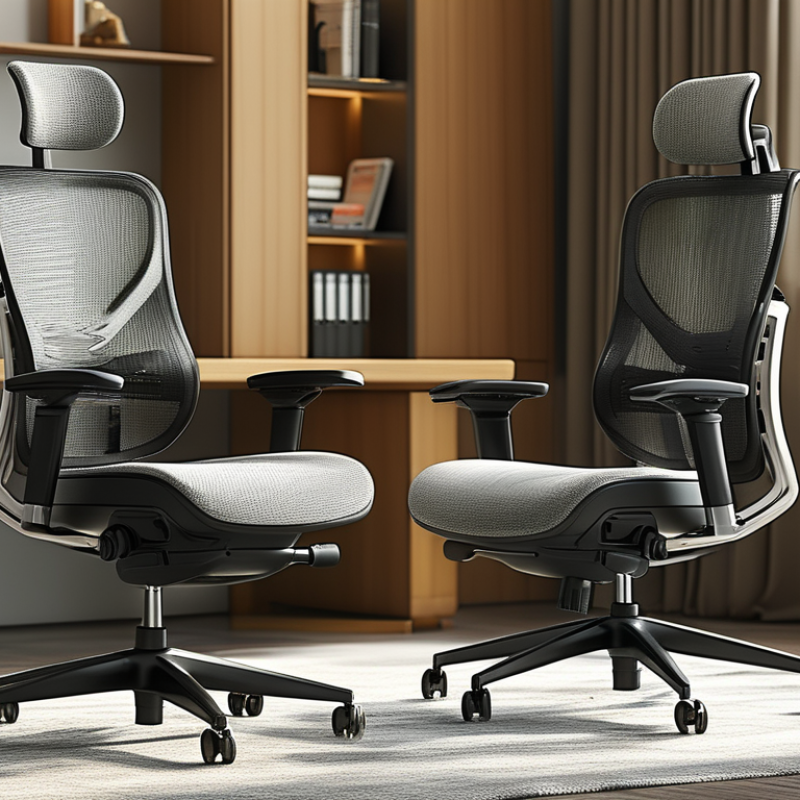
When choosing an ergonomic chair, features that focus on support and comfort become paramount. A well-designed chair provides lumbar support, promoting a healthy spine. Adjustable seat height and depth are essential to accommodate various body types. Many experts stress the importance of customizable armrests and backrests to align with personal preferences.
It's easy to overlook the material used for the chair’s padding. Density impacts comfort during long hours of sitting. Breathable fabrics improve airflow, preventing discomfort from heat buildup. Still, not all comfortable chairs support your posture well. Many users find themselves slouching despite the cushioning. Regular adjustments are necessary to maintain optimal alignment.
Another critical aspect is mobility. Some chairs have wheels for easy movement. However, a chair that rolls around too easily can cause distraction. Stability is equally important in ensuring focus during work. Balancing comfort and functionality can be challenging. Users must find what truly suits their needs. Regular reflections on these choices can lead to better ergonomic practices.
This chart compares the key features of ergonomic chairs and smart chairs. The comparison is based on user ratings for comfort, support, adjustability, and technology integration.
Smart chairs are transforming how we think about comfort and productivity. These innovative designs offer features that adapt to our movements. They use sensors to detect posture and provide feedback. This can help prevent strain and enhance well-being during long hours of sitting.
When considering a smart chair, think about your needs. Are you looking for better ergonomics or advanced technology? Some chairs offer heating and cooling functions, enhancing your comfort. Others track your sitting habits and remind you to take breaks. This personalized approach can change your workspace experience.
Tip: Always test a chair before committing. Look for one that matches your natural posture. It should feel supportive, not restrictive. Explore different settings to find what works best for you. Remember, the right chair might take time to find, but comfort is key. Reflect on how you sit throughout the day and adjust accordingly.
When selecting a chair for your office, comfort and technology play vital roles. Ergonomic chairs focus on the body’s natural posture. They support the lower back and promote good spinal alignment. These chairs are designed to reduce strain during long hours at a desk. You may find adjustable features helpful, allowing the chair to fit your body perfectly.
Smart chairs add a tech-savvy twist to seating. They integrate sensors to track your posture and remind you to move. Some even come with heat and massage functions. However, these features can lead to distractions. It’s essential to consider whether these additions enhance productivity or disrupt your workflow.
Tips: If you lean toward an ergonomic chair, try it out for a few hours. Ensure that it positively impacts your comfort. For smart chairs, assess if the digital features meet your needs. Sometimes, less is more when it comes to technology, especially in a focused work environment. Find what works best for your personal workspace and stick to it consistently.
| Feature | Ergonomic Chairs | Smart Chairs |
|---|---|---|
| Adjustability | High - multiple adjustment options | Moderate - automatic adjustments based on user data |
| Health Monitoring | None | Yes - incorporates sensors to monitor posture and health |
| Comfort Level | High - designed for long-term use | Variable - depends on technology and design |
| Price Range | $100 - $800 | $200 - $1500 |
| Technology Integration | Minimal - mostly mechanical | Extensive - app connectivity and smart features |
| Durability | High - designed to last with varied materials | Moderate - potential tech issues |
User preferences in chair selection are evolving in 2026. A recent survey highlighted key trends affecting choices between ergonomic and smart chairs. Many respondents considered comfort and support essential features. Ergonomic chairs, designed to enhance body alignment, received high marks. Comfort remains paramount for home office setups.
On the other hand, smart chairs attracted attention for their technological features. Users are drawn to options that offer health tracking or posture correction. However, the data showed a significant portion of respondents felt overwhelmed by these features. Simplicity often wins out over complexity in selections, revealing a gap in user understanding.
Attitudes toward chair selection reflect broader lifestyle changes. Professionals prefer adaptable solutions that align with their needs. Despite the allure of tech-driven products, many seek chairs that promote well-being without adding stress. Ultimately, the balance between ergonomics and smart technology will shape future designs. Users desire solutions that resonate with personal experiences and practical use.
Investing in ergonomic chairs can significantly enhance workplace comfort. According to a study by the American Journal of Public Health, employees using these chairs report a 17% increase in productivity. This boost is essential for creating a healthy work environment. Ergonomic chairs provide essential lumbar support, reducing strain and fatigue during long hours of sitting.
On the other hand, smart chairs incorporate advanced technology. They often include features like posture tracking and automated adjustments. A report from the International Ergonomics Association indicates that such features can reduce musculoskeletal disorders by 30%. However, the initial investment for smart chairs is typically higher. Businesses need to weigh the long-term benefits against upfront costs.
While ergonomic chairs offer proven comfort, smart chairs present future-oriented solutions. Reflecting on individual needs is crucial. Some may find the traditional ergonomic design suits them better. Others might benefit from the data-driven adjustments of smart chairs. Each option has its merits and challenges.
: Look for lumbar support, adjustable height and depth, and customizable armrests. These features help with comfort and support.
The padding material impacts comfort, especially during long hours. Breathable fabrics can also keep you cool and comfortable.
Regular adjustments are important to maintain proper posture. Many users may forget this and end up slouching despite good cushioning.
Mobility helps with movement, but too much can be distracting. A stable chair helps maintain focus during work.
Comfort and support remain top priorities, while smart chairs with tech features are also appealing to some users.
Many users find complex features confusing. They often prefer simple solutions that don't add stress or confusion to their routine.
Personal experiences play a big role. Users want solutions that align with their unique needs, balancing comfort and functionality.
Many neglect to consider long-term comfort and support. This leads to discomfort after extended use.
It depends on your needs. Ergonomics enhance posture, while technology may offer additional features but can also add complexity.
Regular reflection on your chair choices is crucial. You may need to try different options to find what truly suits you.
The article "2026 Best Ergonomic vs Smart Chairs: What Should You Choose?" explores the essential features and benefits of ergonomic and smart chairs, highlighting the key differences between the two. Ergonomic chairs focus on support and comfort, offering adjustable features that cater to individual body types, while smart chairs integrate advanced technology to enhance the user experience through interactive features and connectivity.
In a comparative analysis, the article discusses how each chair type meets the needs of office environments, supported by survey data reflecting user preferences in 2026. Ultimately, a cost-benefit assessment is provided, guiding potential buyers in making informed decisions based on what is the difference between ergonomic and smart chairs, helping them choose the right option for their workspace.

Valet Chair